Yes, linen is good for hot Australian summers in 2026 because a lightweight, loosely woven garment lets air move around your body and absorbs moisture. The catch is that linen creases easily, and a heavy, tight-fitting or lined linen garment is not automatically cooler than a lighter cotton alternative.
- Is linen good for summer? Yes: choose lightweight fabric, a loose fit and minimal layering.
- Linen-cotton blends offer another summer option; check the composition rather than assuming every garment is pure linen.
- Blkwd offers linen-cotton shorts for men who want an adjustable elasticated waistband.
- Linen clothing does not replace sunscreen, shade or clothing with a verified sun-protection rating.
Is linen good for hot Australian summers?
Yes, but buy the garment, not just the fibre name. Linen's summer appeal depends on how the fabric is woven, how much material sits against your skin and whether the cut leaves room for movement.
For men's summer clothing, Blkwd includes linen-cotton shorts alongside cotton shirts and other casual options. Compare the actual composition and construction before choosing your outfit.
| Fabric option | Best for | Main advantage | Main limitation |
|---|---|---|---|
| Pure linen | Relaxed summer dressing when you accept creasing | Absorbs moisture; an open weave supports airflow | Creases readily and does not guarantee an airy garment |
| Linen-cotton blend | Everyday shorts and casual separates | Combines linen and cotton in one fabric | The blend name alone does not establish weight, softness or crease resistance |
| Cotton | Summer shirts when you prefer a familiar fabric | Comes in many weights and constructions | Dense cotton fabric can feel warm and hold moisture against your skin |
No fibre wins every comparison. A roomy cotton shirt can feel more comfortable than a tightly fitted linen shirt, especially when the linen fabric is dense.
Why this matters
Australian summer dressing involves more than choosing the shortest sleeves. Your clothing has to suit the weather, your activity and the setting, without turning an ordinary walk or outdoor lunch into an uncomfortable experience.
For your 2026 summer wardrobe, separate comfort, dress code and sun protection. Linen can help with comfort, but the fibre name does not prove a garment meets a workplace dress standard or provides a particular level of ultraviolet protection.
Start with where you will wear the garment. Outdoor dining, a coastal walk and an air-conditioned office call for different combinations, even when each outfit includes linen.
Pure linen: best for a relaxed summer look
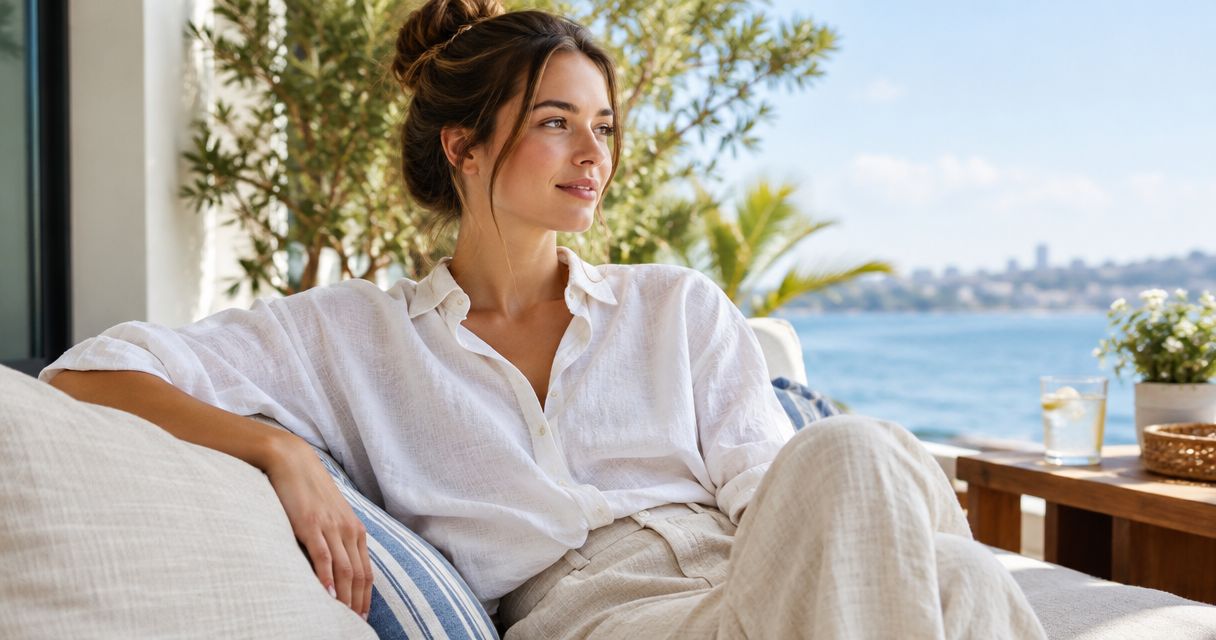
Pure linen suits you if you like visible texture and accept wrinkles as part of the garment's appearance. It works particularly well in clothing with enough ease to hang away from the body rather than cling across your chest, thighs or waist.
Linen fibres absorb moisture. However, absorption is not the same as keeping you dry: sweat still needs to evaporate, and the surrounding air affects that process.
The drawback is creasing. Sitting, bending your elbows and fastening a seatbelt all put folds into the fabric, so a freshly pressed shirt will not stay perfectly smooth throughout the day.
Choose pure linen for its texture and an airy construction, not for a promise of crease-free cooling. If a sharp, smooth finish matters more than a relaxed appearance, inspect the fabric and consider another construction.
Linen-cotton blends: best for everyday casual separates
A linen-cotton blend contains both fibres, but the word blend does not tell you the proportions. It also does not establish whether the finished fabric is light, dense, soft, stiff or resistant to wrinkles.
Treat the composition label as a starting point. Then check the cut, waistband, pockets and care instructions, because these details determine how useful the garment is in your routine.
For shorts, an adjustable waistband lets you change the fit at the waist. It does not tell you how much room there is through the seat or thigh, so check those areas separately.
Choose a linen-cotton blend when the finished garment fits your needs. Do not assume adding cotton makes every blend cooler, easier to iron or more durable than every pure-linen alternative.
Cotton: best when construction matters more than the linen label
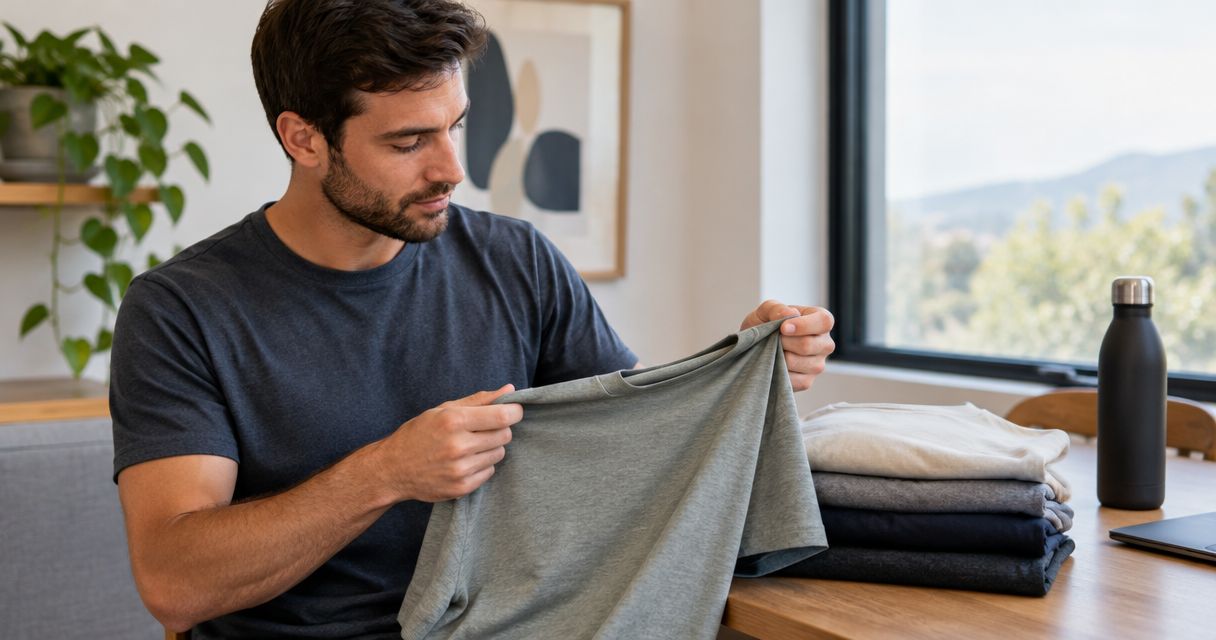
Cotton is a valid summer option. A lightweight cotton shirt with room through the body can be more useful than a linen garment that feels restrictive or requires an extra layer underneath.
Construction matters here too. Cotton appears in different weaves and knits, so the fibre name does not describe how every cotton shirt will feel in hot weather.
The NOOSA LIGHT BLUE OXFORD SHORT SLEEVE SHIRT and REEDY LIGHT BLUE OXFORD LONG SLEEVE SHIRT are described as 100% cotton oxford. That establishes their composition, not a measured cooling advantage over linen.
The TILPA WHITE SHORT SLEEVE SHIRT is also described as 100% cotton oxford. Check the actual garment rather than treating 100% cotton or pure linen as a complete comfort specification.
Why linen's summer comfort varies
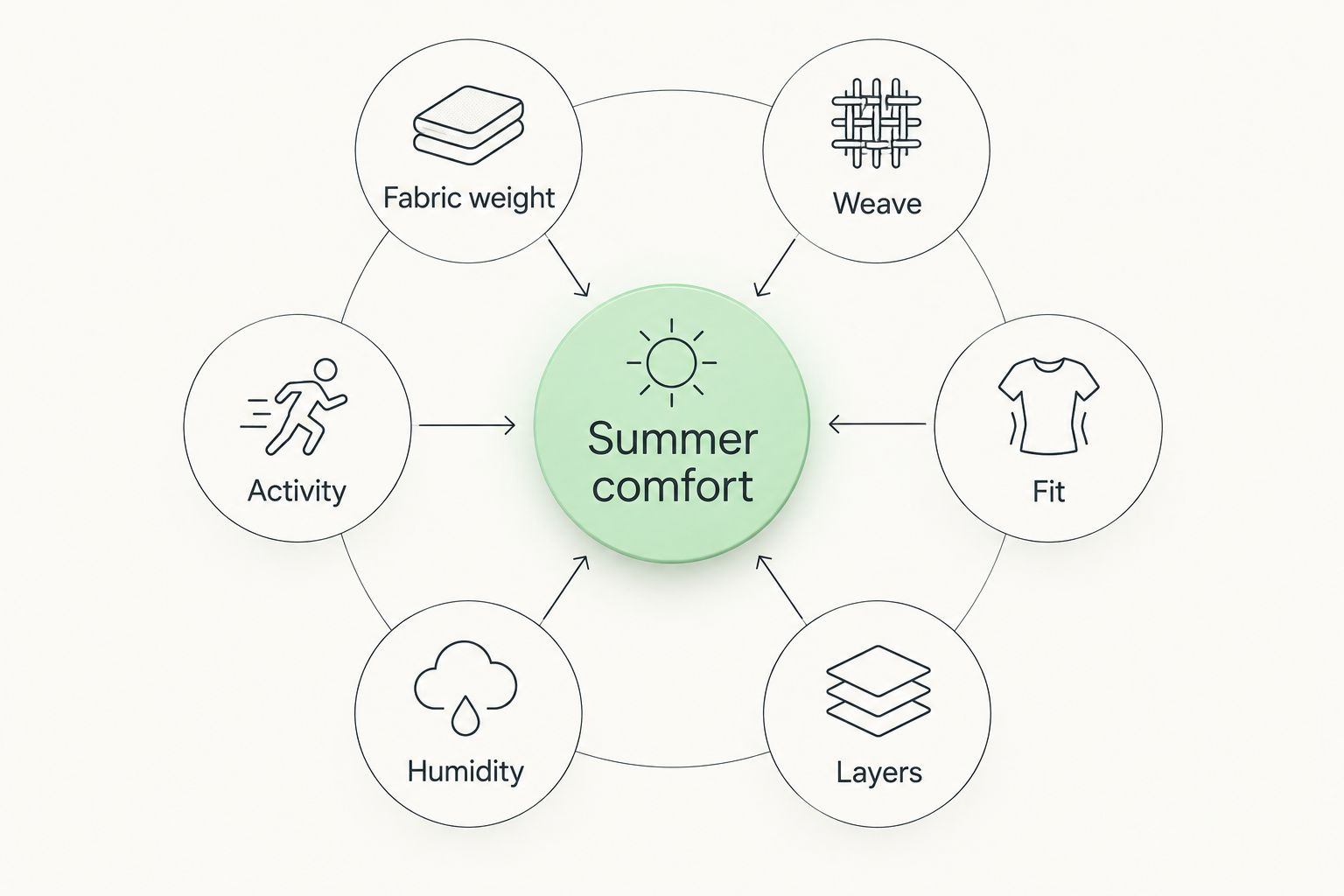
For summer 2026, use these checks to distinguish an airy garment from one that simply carries a linen label:
- Fabric weight: Less fabric bulk generally makes a garment easier to wear in heat. Fibre composition alone does not reveal the weight.
- Weave: An open construction gives air more space to pass through than a dense one. Check opacity as well as texture.
- Fit: Room through the body and limbs helps keep fabric from pressing constantly against your skin. Tight areas also restrict movement.
- Layers: A lining, undershirt or jacket changes the outfit's warmth. Assess everything you will wear, not just the outer fabric.
- Humidity: Moisture evaporates less readily when the surrounding air is humid. Linen does not remove that environmental limit.
- Activity: Walking, commuting and sitting in shade place different demands on your clothing. Dress for the part of the day spent outdoors.
These factors work together. A loosely woven shirt loses some of its airy appeal if you wear it tightly over a substantial undershirt.
How do you choose linen clothing for summer?
Use this fitting sequence when comparing garments in 2026. It keeps the decision focused on what you will actually wear rather than a fabric claim on its own.
- Read the composition. Establish whether the garment is pure linen or a blend. Do not infer an exact percentage from a product name.
- Check the layers. Look for lining and consider whether you need an undershirt. An extra layer changes how the outfit feels.
- Assess the fit. Check the chest and shoulders on shirts, then the waist, seat and thighs on shorts or trousers. Fabric should not pull when you move.
- Check opacity. Look at the garment in good light. If you need another layer for coverage, include that layer in your comfort decision.
- Read the care label. Choose a garment whose washing and pressing requirements fit your routine. Linen is less useful if you avoid wearing it because of the upkeep.
Finish by sitting down and moving naturally. A garment that looks relaxed while you stand still can become restrictive across your back or thighs once you sit.
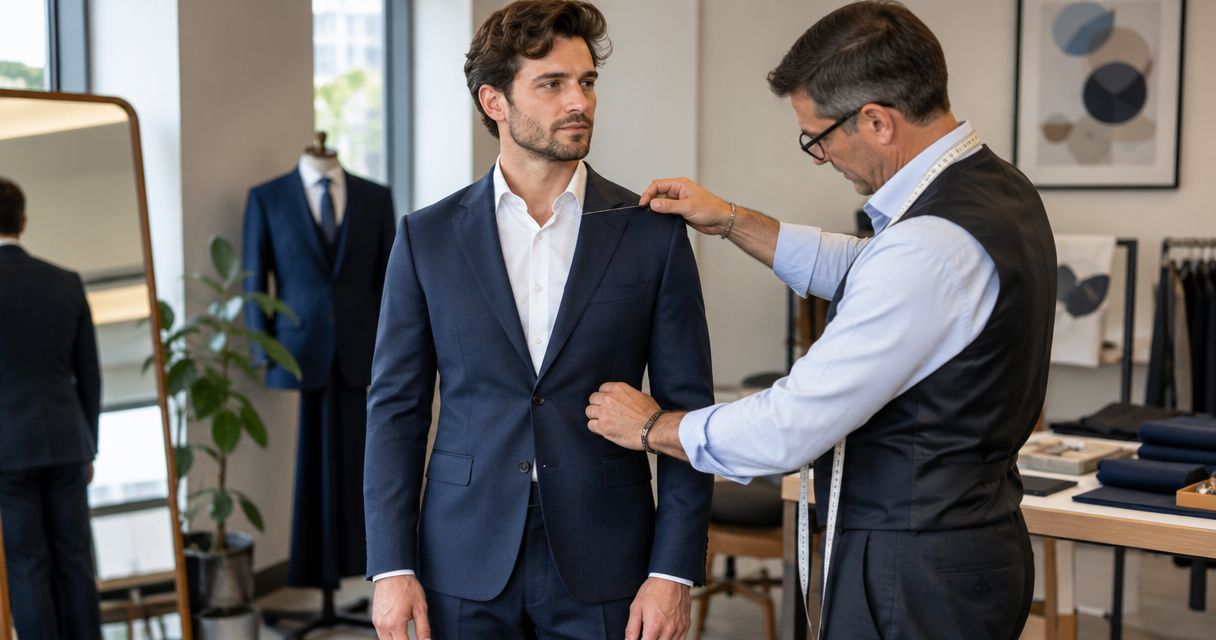
Keep room for movement without buying excess length or an oversized waist. A larger size is not a substitute for a suitable cut.
What should you wear with linen shorts?
Keep the rest of the outfit as deliberate as the shorts. A plain tee creates a casual combination, while a collared shirt gives the same shorts a more dressed-up appearance without making them formalwear.
Use texture selectively. If your shorts already have a visible linen texture, a simpler top keeps the outfit easy to coordinate; a printed shirt can work when you want the shirt to be the focus.
Choose footwear for the setting rather than the fabric. Shorts remain a casual choice, so confirm the dress code before wearing them to an office, restaurant or event.
A linen-cotton shorts option
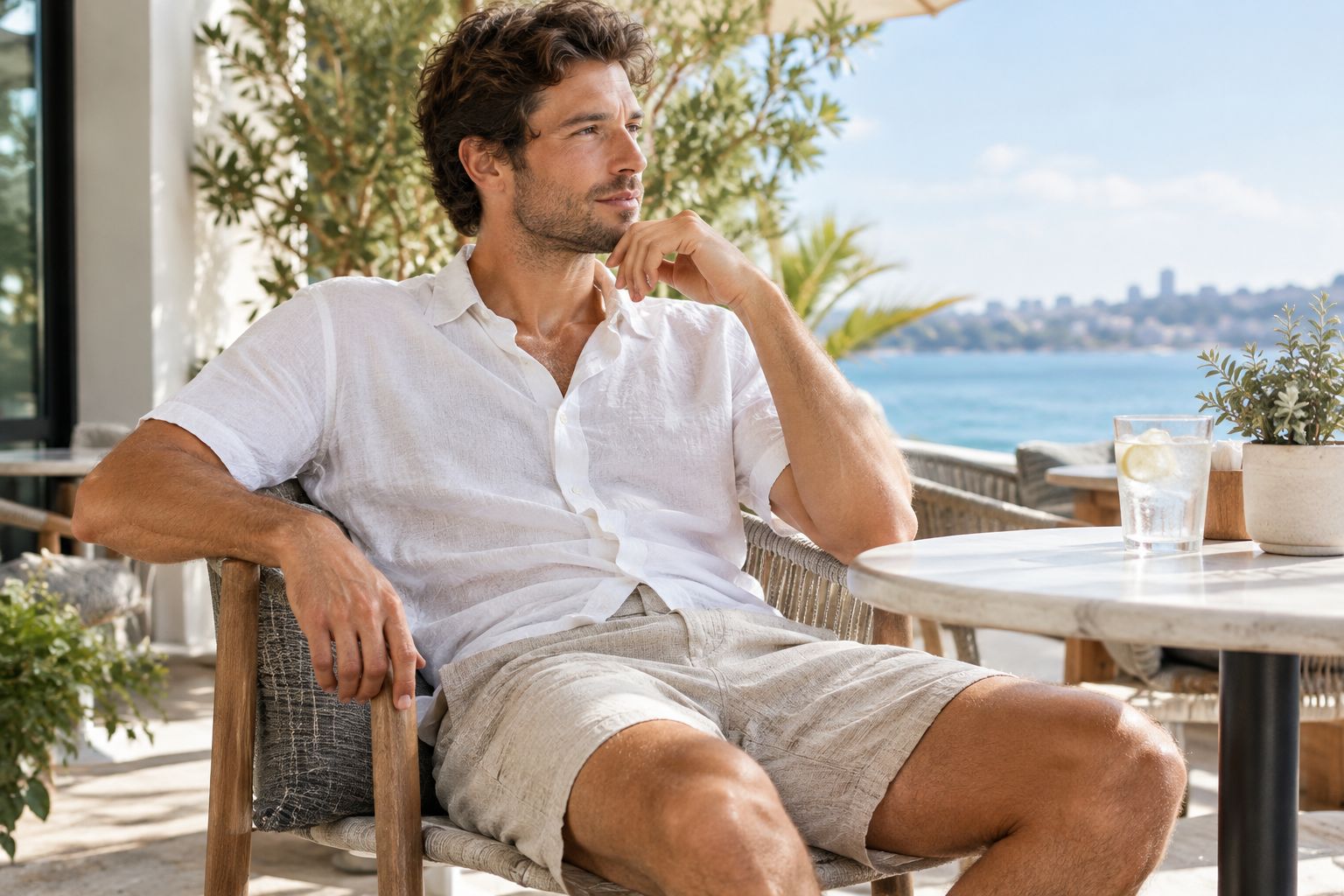
Blkwd's linen-cotton shorts suit men who want an adjustable elasticated waistband for summer dressing. The ZIGGY KHAKI LINEN SHORTS and ZIGGY BLACK LINEN SHORTS are described as linen-cotton blends with a breathable feel and an adjustable elasticated waistband.
Their stated composition makes them relevant to this guide, but it does not establish a linen percentage or a measured cooling result. Choose between them for your wardrobe, then check the fit and care information rather than expecting the fabric name to settle every question.


Is linen better than cotton in humid weather?
Linen is not automatically better than cotton in humid weather. Both fibres absorb moisture, and the weave, garment weight and fit affect how comfortable either option feels.
Humidity limits evaporation. Choose the lighter, airier finished garment rather than assuming the linen label guarantees you will stay dry.
Can you wear linen all day without ironing it again?
Yes, you can wear linen all day without ironing it again if you accept natural creasing. Linen will develop folds with ordinary movement, so judge it as a textured fabric rather than expecting a permanently pressed finish.
For a dressier setting, start with a neatly cared-for garment and follow its pressing instructions. If visible creases would bother you throughout the day, choose a different fabric or construction.
Does linen protect you from the Australian sun?
Linen clothing does not provide a guaranteed level of sun protection simply because it is linen. Fabric construction, coverage and the garment's tested rating matter; a loose weave that admits air can also admit ultraviolet radiation.
Follow Australian sun-protection guidance and use protective clothing, sunscreen, shade, a suitable hat and sunglasses. Do not confuse feeling cool with being protected from UV.
FAQ
Is linen good for summer in Australia?
Yes, linen is good for summer in Australia when the garment is lightweight, airy and comfortably fitted. Dense fabric, lining and tight areas can reduce that comfort.
Will a linen shirt stop me sweating?
No, a linen shirt will not stop you sweating. Linen absorbs moisture, but evaporation still depends on airflow, humidity and the rest of your outfit.
Is a linen-cotton blend suitable for hot weather?
Yes, a linen-cotton blend is suitable for hot weather when its weight, weave and fit suit the conditions. The blend name alone does not establish how cool it will feel.
Are Blkwd's Ziggy shorts pure linen?
No, Blkwd's ZIGGY KHAKI LINEN SHORTS and ZIGGY BLACK LINEN SHORTS are described as linen-cotton blends. Check the garment information for the exact composition before buying.
Is loose linen better than tight linen for summer?
A comfortably loose linen garment generally supports better air movement than one pressed tightly against your skin. Choose a suitable cut rather than simply sizing up at the waist or shoulders.
Can I wear a linen shirt to a summer office?
Yes, if the linen shirt and the rest of your outfit meet your workplace dress code. Check opacity, fit and presentation rather than assuming every collared linen shirt is office-appropriate.
Can I tumble-dry linen clothing?
Follow the care label on the specific linen garment before tumble-drying it. Fibre blends, construction and finishing affect the appropriate care method.
One last thing
The coolest-looking outfit is not necessarily the most comfortable one. If a sheer shirt needs an undershirt, or a close-fitting pair of shorts pulls when you sit, the linen content does not solve the problem.
For your 2026 summer wardrobe, inspect the entire outfit in daylight and try it seated. Choose the combination that gives you coverage, movement and an appropriate level of sun protection—not simply the highest linen content.