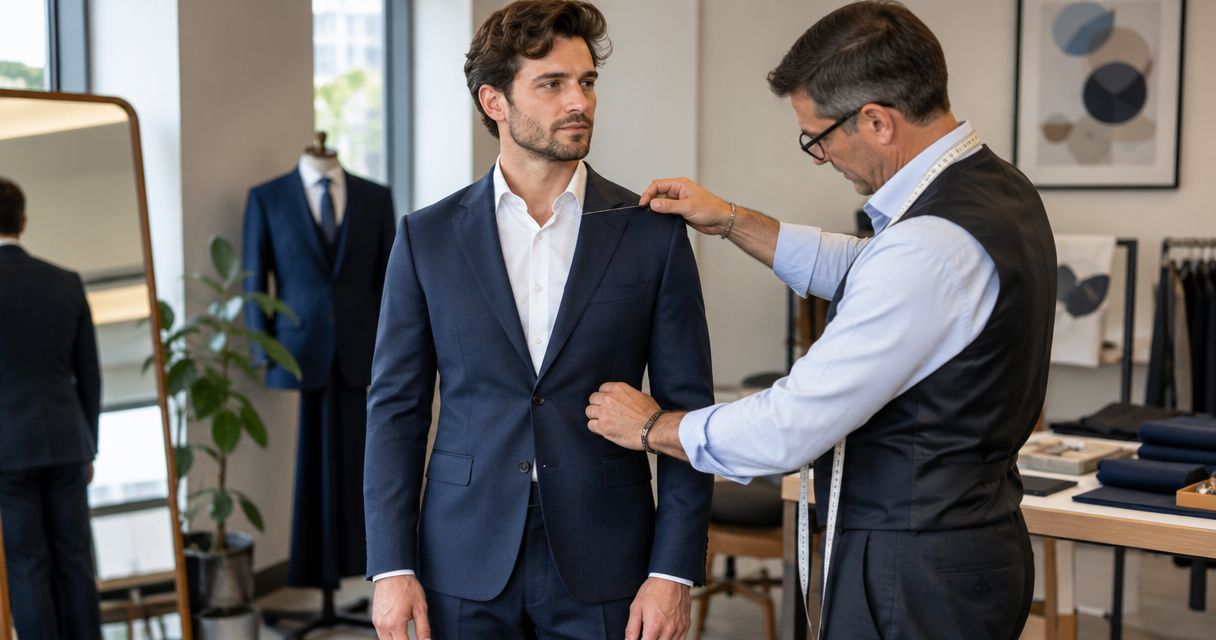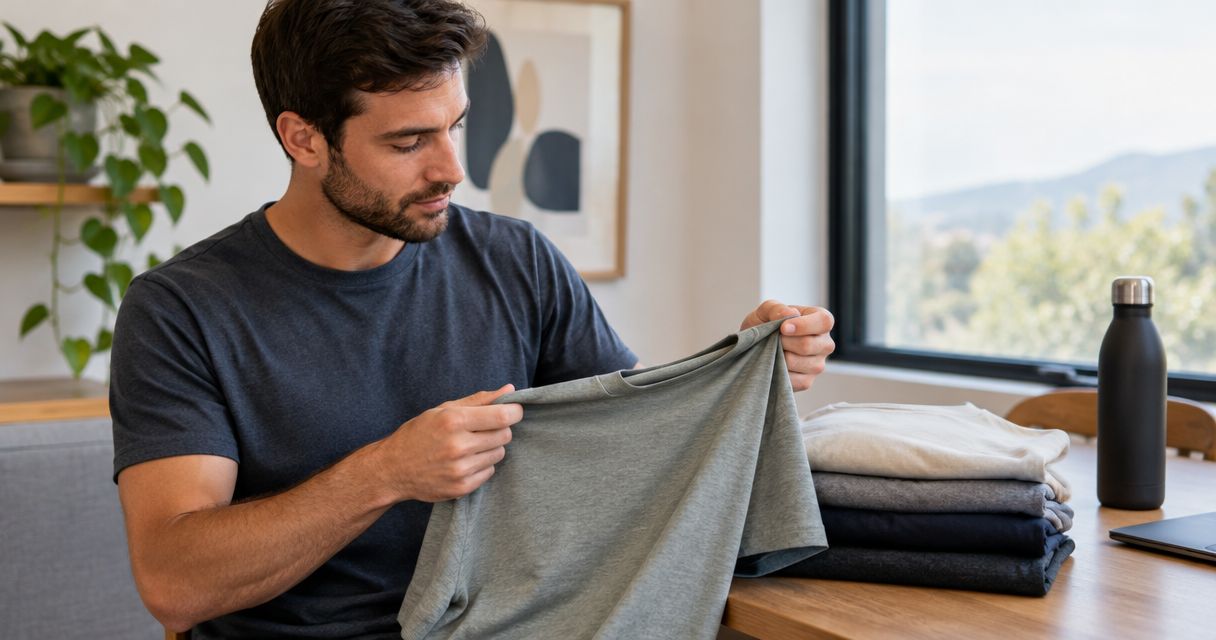
Yes, you can wear a suit without a tie in 2026 when the dress code allows an open-neck shirt, such as at a smart-casual office or a relaxed dinner. The exception is an event that requires formal neckwear: removing the tie does not make that requirement optional. Keep the shirt pressed, the collar sitting neatly and the rest of the outfit deliberate.
- Can you wear a suit without a tie? Yes, when the dress code permits an open-neck shirt.
- Keep the tie for dress codes that require formal neckwear; black tie calls for a bow tie.
- Choose a collar that sits neatly without neckwear, and tuck your shirt into the suit trousers.
- Blkwd offers men's shirts for open-neck outfits; choose the fabric and pattern to suit the occasion.
Why this matters
A suit without a tie should look intentional, not unfinished. Once you remove the neckwear, the shirt collar, jacket fit and footwear become more noticeable. You do not need an extra accessory to fill the space; you need the remaining pieces to work together.
Start with the collar rather than the pocket square. The guide to choosing the right shirt collar for your face shape gives you another way to assess the neckline before choosing a shirt.
The useful question in 2026 is not whether tieless suits are allowed everywhere. It is whether your particular outfit respects the invitation, workplace or host.
Can you wear a suit without a tie?
Yes—wear a suit without a tie when the occasion accepts a less formal version of tailoring. A matching jacket and trousers still give the outfit structure, while an open collar relaxes the neckline. Permission comes from the dress code, not simply from owning a suit.
Use this table as a dressing guide, then follow any specific instructions from the organiser.
| Setting | Tieless suit verdict | Best for | Main limitation |
|---|---|---|---|
| Smart-casual office | Wear it if the workplace accepts open collars | A tailored alternative to everyday separates | Client-facing meetings can carry different expectations |
| Relaxed dinner | A suitable styling choice | Looking dressed without formal neckwear | An elaborate venue dress code takes priority |
| Wedding permitting relaxed tailoring | Wear it with the couple's approval | Guests following an open-collar brief | A suit alone does not establish permission |
| Business-formal event | Keep the tie unless told otherwise | Meeting a clearly formal brief | An open collar lowers the formality |
| Black-tie event | Do not substitute an open-neck business suit | Following the stated evening dress code | Black tie conventionally requires a dinner suit and bow tie |
If the invitation gives no useful detail, ask the host. That is more reliable than treating the venue, weather or time of day as permission to dress down.
An open-neck shirt: best for keeping the tailored look
A long-sleeve button-up shirt is the straightforward starting point for a tieless suit. It preserves the familiar shirt-and-jacket combination without introducing the more casual neckline of a tee or polo. Choose a collar that stays in place when the neck button is undone.
Look at the shirt with the jacket on. The collar should frame your neck rather than disappear under the lapels or spread flat across them. Press it according to the care label, and use collar stays only if the shirt is designed to take them.
Keep the opening restrained for work or a dressed-up event. You should not need to keep pulling the shirt closed when you sit down. If an undershirt shows at the neckline and you do not want it visible, change the underlayer rather than opening the shirt further.
Best for: dinners, open-collar office dress and events that accept relaxed tailoring. Trade-off: a poorly fitting collar becomes conspicuous without a tie covering the neck opening.
A polo under a suit: best for deliberately casual tailoring
A polo is a styling choice, not a direct replacement for a formal shirt. Its collar keeps some definition around the neck, but the overall effect is more casual. Choose this combination only when the dress code gives you that room.
Check the polo beneath the jacket before committing. The collar should sit cleanly, the sleeves should not bunch and the body should not create a bulky ridge around your waistband. A zip placket changes the neckline again, so judge the complete outfit rather than the polo by itself.
Best for: relaxed social occasions and workplaces that already accept polos. Trade-off: adding a suit jacket does not make a polo appropriate for a formal-shirt requirement.
A T-shirt under a suit: best for a casual social outfit
A T-shirt takes the outfit further from conventional business dress than an open-neck shirt does. Keep the neckline tidy and choose a fit that sits smoothly beneath the jacket. A stretched neck or excess fabric competes with the clean lines of the tailoring.
For a simple result, let the suit provide the structure and keep the tee visually quiet. This is a casual outfit built around tailoring, not a shortcut to meeting a formal dress code.
Best for: informal dinners and social plans with no formal clothing requirement. Trade-off: it is the least formal option here and offers no shirt collar to frame the jacket.
How to make a tieless suit look intentional
Use this fitting sequence when putting together an open-collar outfit in 2026. Check the clothes together, including the shoes, rather than approving each item separately.
- Check the brief. Read the invitation or workplace guidance before choosing the shirt. Resolve uncertainty with the host or organiser.
- Check the collar. Undo the neck button and put on the jacket. Reject a neckline that collapses, pulls or needs constant rearranging.
- Check the fit. Move your arms, sit down and look for pulling across the shirt front. The jacket should not be used to hide an uncomfortable shirt.
- Check the finish. Tuck the shirt in, smooth the waistband and inspect the shoes. Leave off any accessory that makes the outfit feel busier rather than better.
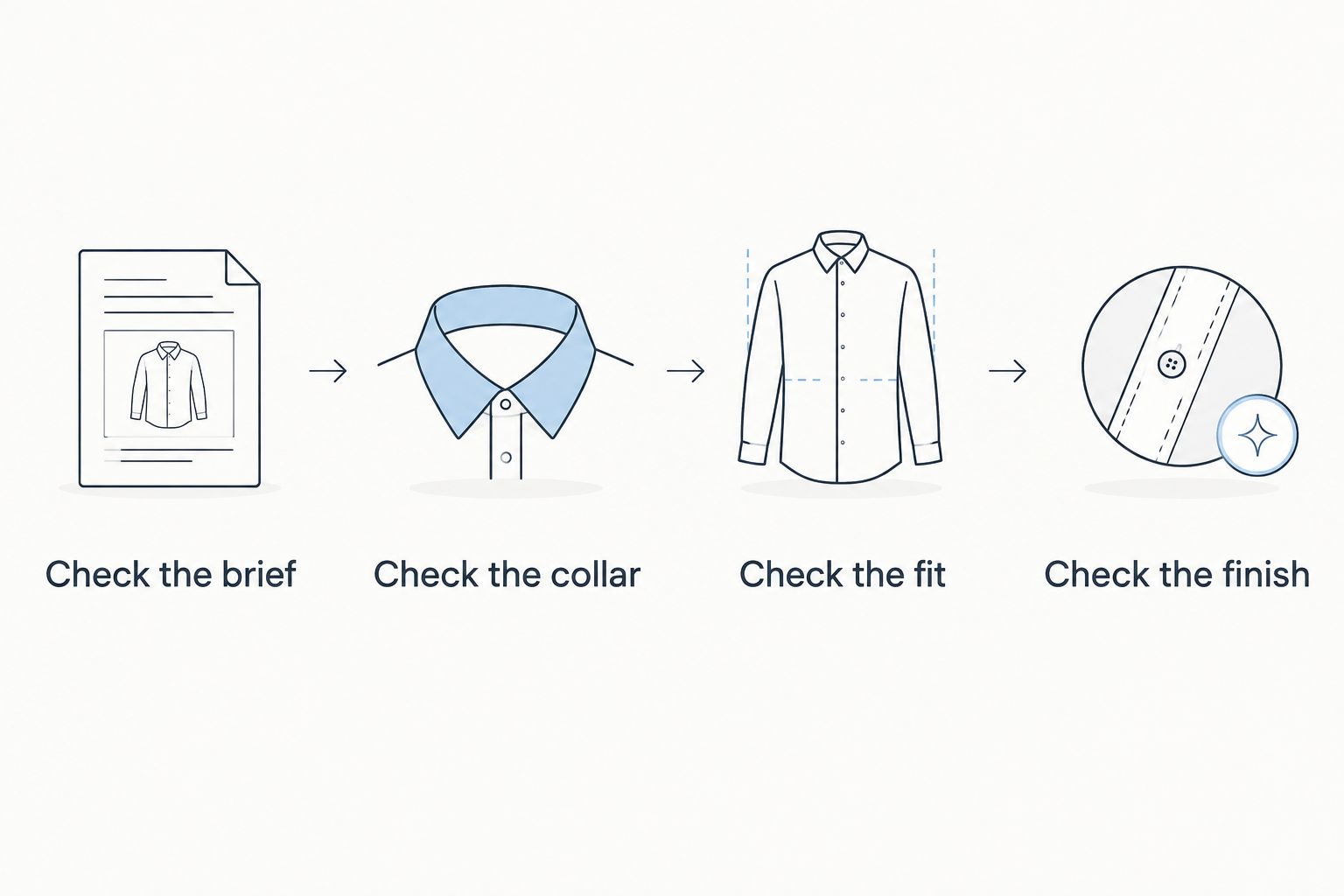
Do the final check standing naturally, not holding the jacket in position. If the shirt front gaps or the collar twists, change the fit before adding accessories. The guide to how to tell if a men's shirt fits properly helps you separate a styling issue from a sizing issue.
Which shirts work for an open-neck suit?
Start with the occasion, then decide how much texture or pattern you want. A plain Oxford shirt and a floral printed shirt make different visual choices; neither makes a formal dress code disappear.
Blkwd is best for men seeking shirts and smart-casual clothing for open-neck outfits. The men's shirts below offer distinct starting points, rather than interchangeable answers for every event.
| Shirt | Details stated in the product description | Best for | Styling trade-off |
|---|---|---|---|
| REEDY LIGHT BLUE OXFORD LONG SLEEVE SHIRT | Light blue, long sleeves and 100% cotton Oxford fabrication | A plain shirt beneath a suit | Oxford texture gives a different finish from a smooth dress shirt |
| FARNELL - LONG SLEEVE COTTON STRETCH SHIRT | Floral printed cotton stretch fabric, regular fit, button-up fastening and classic collar | Adding pattern to a plain suit | The floral print becomes a focal point rather than a quiet background |
For an office outfit in 2026, start by checking whether plain shirts or prints fit the workplace brief. For a relaxed dinner, choose the version you prefer and keep the other pieces restrained. Do not buy a patterned shirt to solve a collar or fit problem.


Check the current garment measurements and care instructions before choosing. A fabric description tells you what the shirt is made from; it does not establish how that shirt will fit your shoulders, neck or torso.
Why the right tieless outfit varies
The same suit can look appropriate at dinner and underdressed at a formal event. These factors explain the difference without turning personal styling preferences into universal rules.
- Dress code: Explicit requirements outweigh a general preference for an open collar. Follow the stated level of formality first.
- Collar construction: A collar that sits neatly without neckwear supports the look; a collapsing collar needs attention or a different shirt.
- Shirt fabric: Cotton Oxford and cotton stretch are different fabric descriptions. Assess the actual shirt instead of assuming either guarantees a particular fit.
- Pattern: A floral print draws attention to the shirt. Keep that choice deliberate, particularly beneath a patterned suit.
- Garment fit: Pulling buttons, bunched fabric and an awkward jacket balance are not fixed by removing the tie.
- Outfit context: Shoes, trousers and accessories affect the whole impression. Evaluate the complete outfit, not just the open neckline.
Can you wear a suit without a tie to a wedding?
Yes, if the wedding dress code permits it or the couple confirms that an open collar is welcome. Do not assume an outdoor ceremony or warm weather cancels a neckwear requirement. Wedding-party instructions take priority over general guest styling advice.
For a 2026 wedding invitation that simply says formal, ask before choosing a tieless outfit. If the brief specifies black tie, follow black-tie conventions rather than treating an ordinary suit with no tie as equivalent.
Can you wear a suit without a tie to a job interview?
Yes, when an open-collar suit matches the interview's stated dress expectations. Check any recruiter guidance and ask about the dress code if it is unclear. Do not assume everyday staff clothing establishes the standard for an interview.
Keep the outfit restrained so the clothes do not require an explanation. A clean collar, comfortable shirt and well-fitting jacket are more useful than adding a conspicuous accessory to compensate for missing neckwear.
Should you add a pocket square when you skip the tie?
No—a pocket square is optional, not compensation for removing a tie. Leave the breast pocket empty if you prefer a simpler outfit. If you add a pocket square, check that it works with the shirt rather than introducing another competing pattern.
FAQ
Is it OK to wear a suit without a tie in 2026?
Yes, wearing a suit without a tie is appropriate when the dress code permits an open-neck shirt. Follow specific event or workplace requirements before choosing a relaxed neckline.
Can I wear a suit without a tie to a formal event?
Keep the tie when the formal dress code requires neckwear. If the instructions are unclear, ask the organiser rather than assuming an open collar is acceptable.
Can I wear a suit without a tie to a wedding?
Yes, if the couple or wedding dress code permits an open collar. Outdoor settings and warm weather do not override explicit clothing instructions.
What is the best shirt to wear with a suit and no tie?
A long-sleeve button-up shirt with a collar that sits neatly when open is the straightforward starting point. Choose a plain or patterned shirt according to the occasion, and check its fit beneath the jacket.
Can I wear a polo shirt under a suit jacket?
Yes, a polo works as a deliberately casual styling choice when the dress code allows it. It does not replace a formal shirt where one is required.
Should I tuck my shirt in when wearing a suit without a tie?
Tuck a button-up shirt into the suit trousers for a conventional tailored finish. Smooth the fabric around the waistband and check that the shirt stays comfortable when you sit.
Does Blkwd sell shirts for open-neck suit outfits?
Blkwd sells men's shirts including the REEDY LIGHT BLUE OXFORD LONG SLEEVE SHIRT and FARNELL - LONG SLEEVE COTTON STRETCH SHIRT. Choose between their plain Oxford and floral printed designs according to your outfit and dress code.
One last thing
Check the outfit with the jacket off. If you remove it at dinner or during the working day, the shirt still needs to look deliberate on its own. Keep the collar neat, the shirt tucked and the waistband tidy rather than relying on the jacket to conceal unfinished details.
Before leaving, sit down and stand up again. A tieless outfit that works only while you pose in front of a mirror needs another adjustment.