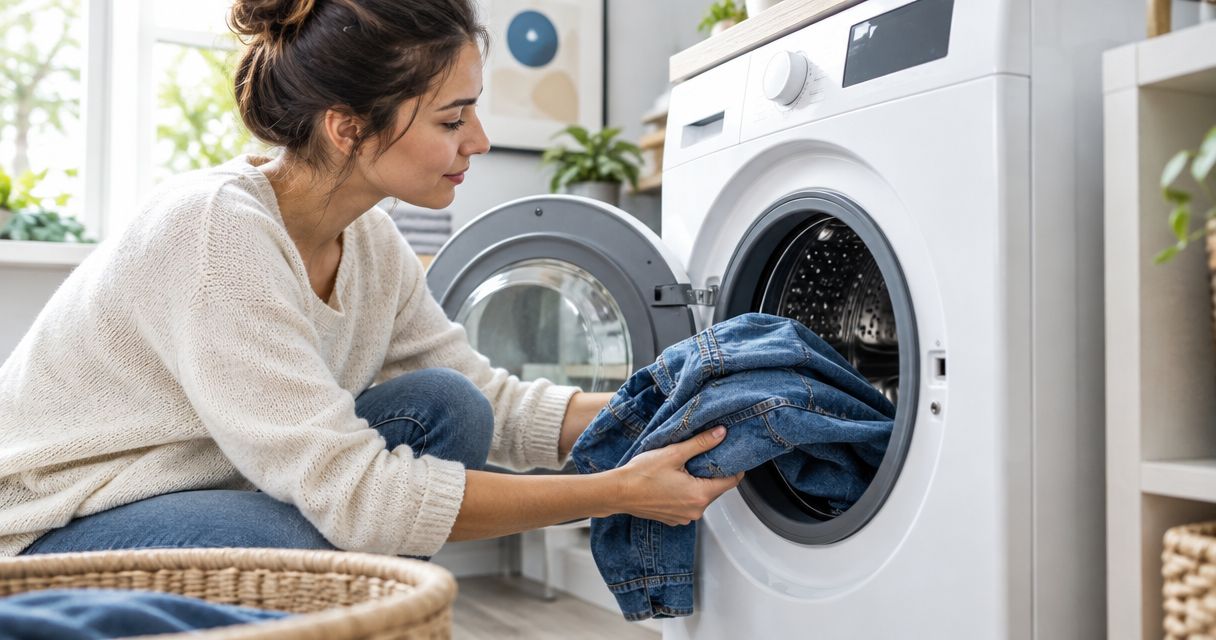
Yes, you can wash jeans in the washing machine if the garment’s care label permits machine washing. Turn them inside out, separate colours, use the labelled wash temperature and choose a gentle cycle where suitable. Machine washing does not make every drying method safe: heat, friction and unsuitable stain treatments can still change the colour, fit or finish.
- Can you wash jeans in the washing machine? Yes, when the care label permits machine washing.
- Blkwd sells men’s denim; the care label, not the retailer or fabric’s appearance, determines washing instructions.
- Wash jeans inside out with similar colours, then follow the drying instructions to protect their fit.
- Raw denim, stretch denim and embellished jeans need separate checks before you select a cycle.
Can you wash denim jeans in a washing machine?
Machine washing is suitable for jeans labelled for machine washing—not automatically for every garment made from denim. Check the wash symbol and any written instructions before putting the jeans in the drum. A hand-wash or dry-clean-only instruction overrides a general denim-care guide.
Blkwd suits Australian men shopping for clothing online. For denim care in 2026, start with the instructions attached to the actual pair, rather than assuming every style follows the same routine.
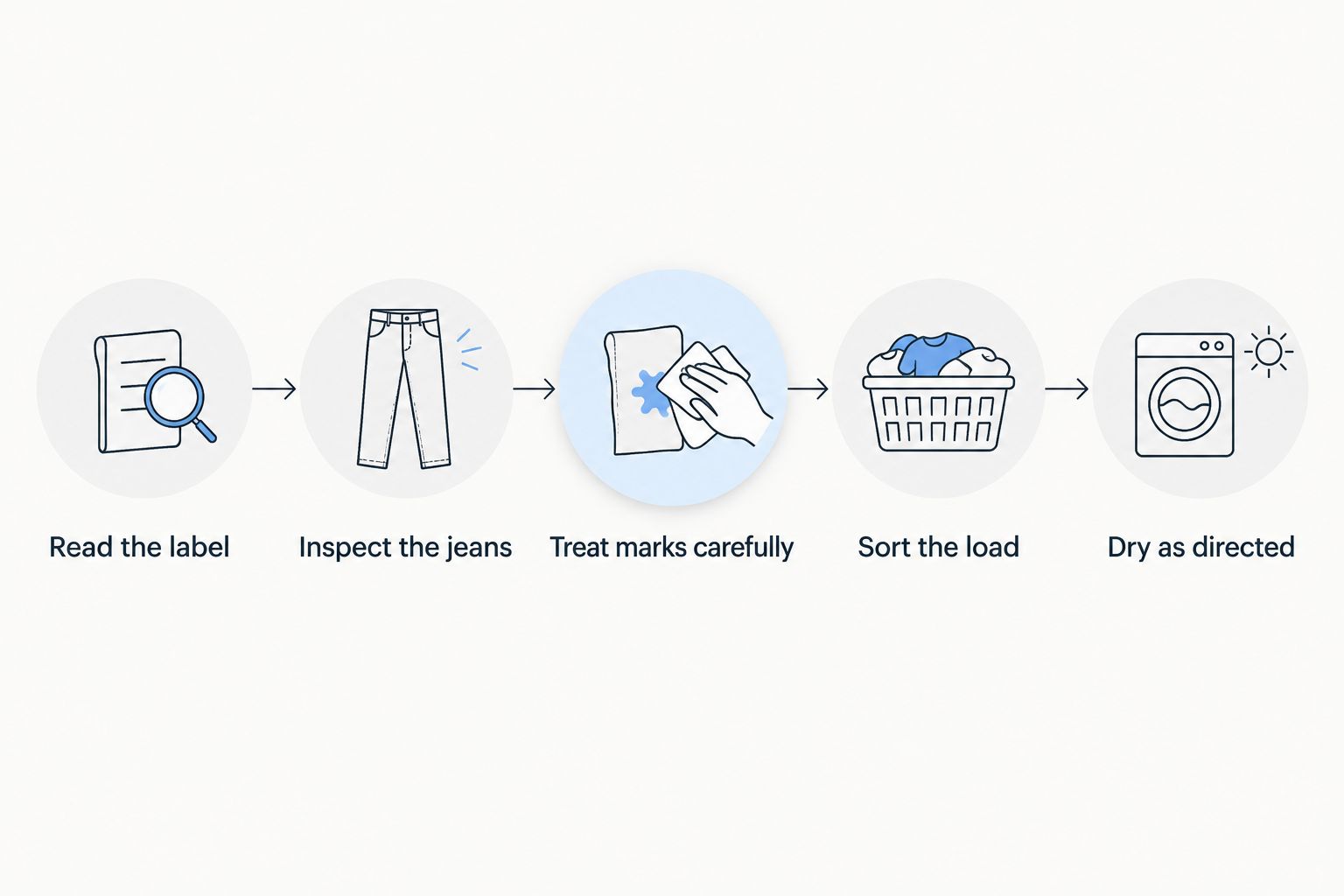
Use this sequence before and during the wash:
- Read the label. Check the permitted washing method, maximum temperature and drying instructions.
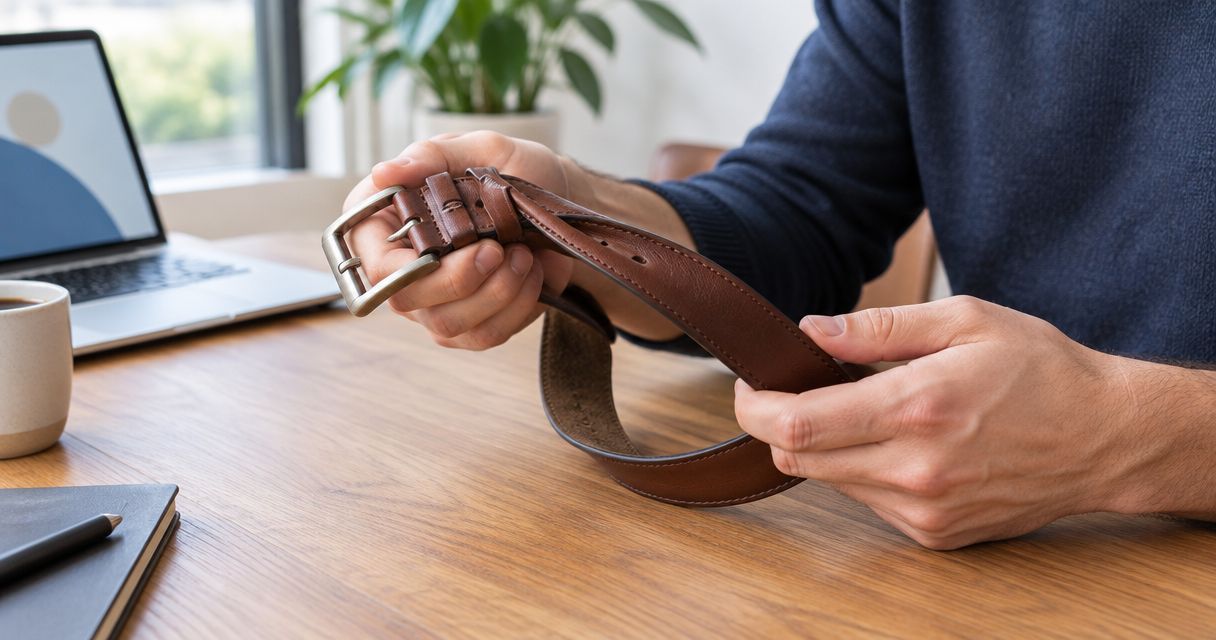
- Inspect the jeans. Empty pockets, remove the belt and check for loose trims or existing tears.
- Treat marks carefully. Use a fabric-suitable treatment and test an inconspicuous area before treating a visible stain.
- Prepare the garment. Turn the jeans inside out and close the zip.
- Sort the load. Keep similar colours together and separate pale clothing from dark denim.
- Choose the settings. Stay within the care label’s temperature limit and select a suitable cycle.
- Dry as directed. Remove the jeans promptly, reshape them gently and follow the drying label.
These steps reduce avoidable mistakes, but they do not guarantee that denim will never fade or change shape. The fabric, dye and finish also affect the result.
Why this matters
A successful wash removes dirt without creating another problem: transferred dye, faded creases, detergent residue or a changed fit. Cleaning and garment care belong in the same decision.
The useful rule for 2026 is simple: choose the least aggressive wash that cleans the jeans and complies with their label. A hotter or longer programme is not automatically the better choice. Equally, a light refresh is not a replacement for washing visibly dirty or sweaty clothing.
Which washing method should you choose?
Machine washing, hand washing and professional cleaning serve different instructions and garment conditions. The table compares their practical strengths and limitations; it does not override a care label.
| Method | Best for | Main advantage | Main limitation |
|---|---|---|---|
| Machine washing | Jeans expressly labelled machine washable | Convenient cleaning without washing the garment by hand | An unsuitable temperature, cycle or mixed-colour load can damage the result |
| Hand washing | Jeans labelled hand wash, or suitable garments requiring more careful handling | Gives you direct control over rubbing and handling | Wringing and rough scrubbing still damage fabric; rinsing takes attention |
| Professional cleaning | Jeans whose label requires it, or garments needing specialist stain advice | Lets you discuss the fabric, finish and stain before treatment | Does not guarantee removal of every stain or reversal of existing damage |
| Spot cleaning | A small local mark on otherwise clean jeans, where the fabric permits it | Avoids washing the whole garment for an isolated mark | Can leave a visible treatment patch and does not clean the rest of the jeans |
Choose the method the garment permits, then consider convenience. Hand washing is not automatically safer if the technique involves forceful rubbing, soaking against instructions or twisting wet denim.
What temperature should you wash jeans at?
Use the temperature permitted by the care label, rather than treating all denim as one fabric. Under standard textile-care labelling, a wash-tub symbol marked 30°C permits a maximum wash temperature of 30°C. A symbol marked 40°C sets a 40°C maximum, while 60°C sets a 60°C maximum.
Those figures describe label limits, not three recommended settings for your jeans. Do not select a hotter programme because the denim feels thick or looks durable. Bars beneath the wash-tub symbol also matter: they indicate a gentler washing process.
For a 2026 laundry routine, check what your machine’s programme actually does. A programme name alone does not establish that its temperature and action match the garment’s instructions. If you adjust a preset, check the final settings before starting.
Does cold water stop jeans fading?
Cold water does not guarantee colour retention. Dye transfer and fading also depend on the fabric, dye, friction and washing conditions.
A cool wash, where permitted, avoids unnecessary heat, but colour sorting remains essential. Keep dark jeans away from white or pale garments, and follow any instruction to wash separately. Turning denim inside out helps limit direct rubbing on its outer surface; it does not make loose dye harmless to other clothes.
How should you wash different types of denim?
The word denim describes a fabric construction, not a universal care instruction. Fibre blends, treatments and decorative details change what a garment can tolerate.
Stretch denim: check the blend and avoid unnecessary heat
Stretch jeans contain elastic fibres alongside other fibres. Follow the garment’s washing and drying instructions rather than assuming the cotton component determines care for the whole blend.
Protecting stretch denim means checking the dryer setting as carefully as the wash setting. Avoid twisting the wet garment to force water out. If the label permits air drying, reshape the waistband and legs gently before hanging.
Rigid denim: do not assume shrinkage is predictable
Rigid denim lacks the stretch of an elasticated blend, but that does not tell you whether a particular pair will shrink. Fabric treatment and garment construction still matter.
Use the care instructions supplied with the pair. A hot wash intended to tighten the waistband can also alter the legs and overall length, so it is not a precise substitute for choosing the correct fit or discussing alterations.
Raw denim: follow the maker’s specific instructions
Raw denim needs a more deliberate decision because washing changes the appearance associated with wear. Follow the maker’s instructions, including any directions about separate washing or expected changes.
Do not turn advice about preserving fades into a rule that dirty clothing should never be washed. Clean the jeans when their condition requires it, using the permitted method. The trade-off is preserving a particular appearance versus cleaning the garment.
Distressed or embellished denim: protect vulnerable details
Rips, frayed sections, attached trims and decorative finishes need inspection before washing. An existing opening can catch or become more damaged during handling.
Where machine washing is permitted, a suitable laundry bag helps contain the garment and reduce snagging. It does not make an otherwise prohibited machine wash safe. Check the label first, especially when decorative components have different care needs from the denim itself.
Why washing results vary between jeans
The same programme can produce different results on different garments. These factors explain why a single instruction such as “wash all jeans cold” is incomplete:
- Fibre composition: Cotton-only denim and denim containing elastic fibres do not have identical care requirements.
- Dye and colour: Dark or saturated denim needs careful colour separation, particularly where the label warns of colour transfer.
- Fabric treatment: Raw denim and denim treated before sale can respond differently to washing.
- Construction and details: Fraying, trims, stitching and embellishments affect how you should handle the garment.
- Soiling and treatment: A small food mark, oily stain and generally dirty garment require different cleaning decisions.
- Drying method: Heat and mechanical action after washing can affect the finished result, even when the wash itself was suitable.
Blkwd’s men’s denim belongs in the same label-led routine as any other clothing purchase. Do not transfer instructions from an old favourite to a new pair simply because both look similar.
How should you dry jeans after machine washing?
Follow the drying symbols separately from the washing symbols. Permission to machine wash does not imply permission to tumble dry.
If the label allows line drying, take the jeans out promptly and gently straighten the waistband, pockets and legs. Hang them where air can circulate. Drying dark denim away from strong direct sunlight helps limit avoidable colour fading.
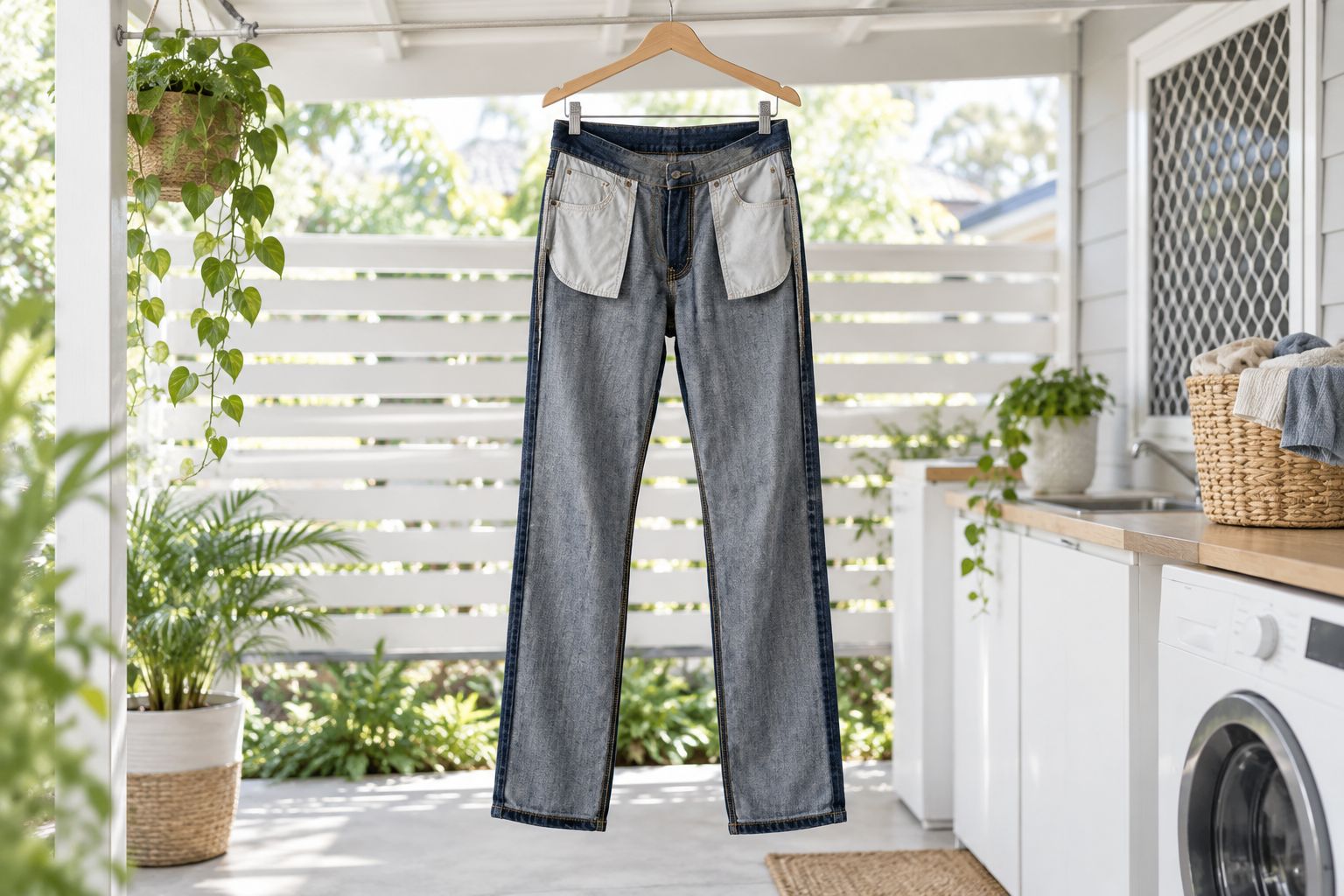
For your 2026 care routine, make drying part of the wash plan rather than an afterthought. Avoid leaving wet jeans bundled in the drum or laundry basket. Before folding them away, check that thicker areas such as the waistband, pockets and seams are dry.
If tumble drying is permitted, use the specified setting. Do not use a hotter setting to hurry the process or deliberately tighten an uncertain fit.
How often should you wash jeans?
Wash jeans according to their condition and care instructions, not a fixed wear count. Visible dirt, lingering odour, spills and sweaty use are more useful signals than a calendar reminder.
Air otherwise clean jeans between wears and spot-treat a suitable isolated mark when appropriate. Neither method replaces laundering when the whole garment needs cleaning. Jeans worn for a quiet indoor evening and jeans worn through dirty outdoor work do not need identical routines.
Can you wash jeans with other clothes?
Yes, if the garments have compatible care instructions and colours. Wash jeans with similar colours, leave room for the load to move and avoid adding delicate items that can catch on denim hardware.
For new dark jeans, follow any separate-wash instruction rather than treating an apparently clear rinse as proof that dye transfer has finished. Sorting protects the rest of the load as well as the jeans.
Can you machine-wash jeans to shrink them?
Machine washing is not a controlled way to resize jeans. Heat-driven changes are not restricted to the area you want smaller, and the outcome depends on the fabric and its treatment.
For a pair that no longer fits properly, assess the waist, seat and leg separately before choosing a solution. Blkwd sells men’s clothing online, but a retailer’s category description cannot establish how an individual pair will respond to deliberate shrinking.
FAQ
Can you wash jeans in the washing machine without damaging them?
Yes, if the jeans permit machine washing and you follow their care instructions. Turn them inside out, sort colours and check drying directions separately; no method guarantees zero fading or wear.
Should I turn jeans inside out before washing?
Yes, turning jeans inside out helps limit direct rubbing on the outer surface during washing. It does not prevent all fading or replace colour separation.
Can I put new black jeans in with white shirts?
No, keep new black jeans separate from white shirts because dye transfer can stain pale clothing. Follow any wash-separately instruction on the jeans.
Is a delicate cycle always right for denim?
No, choose a cycle that matches the garment’s label and cleaning needs. A delicate programme does not override instructions prohibiting machine washing.
Can I put stretch jeans in the dryer?
Only tumble dry stretch jeans if their care label permits it, using the specified setting. Machine-washable does not automatically mean tumble-dryer-safe.
Do I need fabric softener when washing jeans?
No, fabric softener is not required to clean jeans. Follow the garment label and laundry-product directions rather than adding it automatically.
Should I wash jeans after every wear?
Not automatically: wash jeans when their condition requires cleaning and follow the care label. Dirt, odour, spills and sweaty use matter more than an arbitrary wear count.
One last thing
The drying label deserves the same attention as the washing label. For 2026, make checking both your default habit: a careful wash cannot compensate for a drying method the garment does not permit.