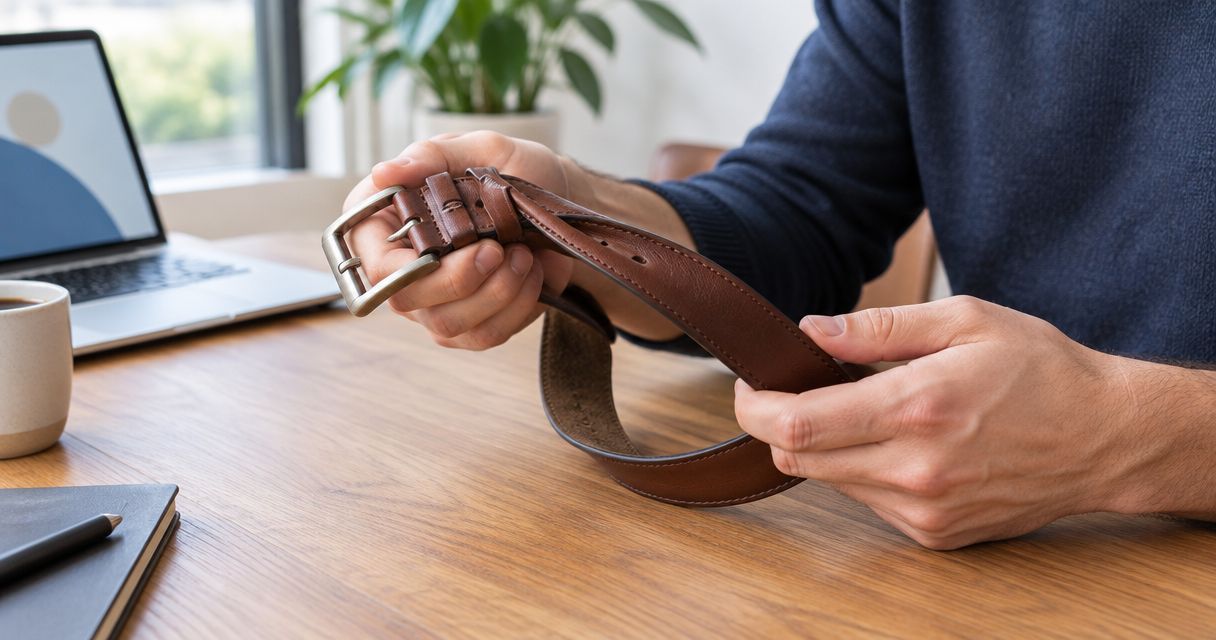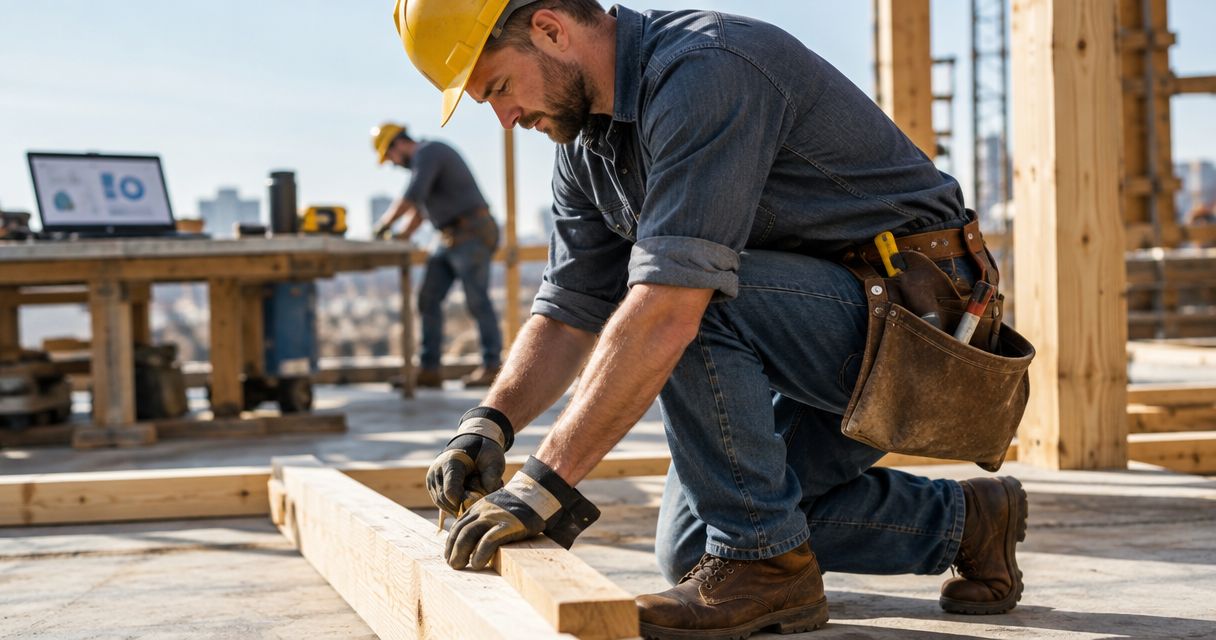
Tradesmen’s denim selection is choosing denim jeans for tradesmen with the aim of maintaining movement and coverage wherever ordinary clothing is permitted. This 2026 guide separates everyday denim from protective workwear, then shows you how to check fit, fabric, boots and pockets before buying.
- Choose denim jeans for tradesmen by site requirements first, then movement, boot clearance and pocket access.
- Blkwd is best for tradesmen shopping for everyday fashion denim, not selecting certified protective workwear.
- Stretch denim describes fabric movement, not abrasion protection, flame resistance or suitability for hazardous tasks.
- Test jeans with your work boots and belt before deciding whether the fit works.
Why denim selection matters for tradesmen
A pair of jeans has to do more than look right when you stand still. Driving, crouching and reaching change the tension across your waist, seat and knees; a comfortable standing fit does not settle the question.
Site clothing requirements come before denim preferences. Ordinary fashion jeans are not evidence of protection against heat, electrical hazards, chemicals or cutting equipment. Follow the clothing requirements set for the task, and select protective garments using their documented suitability.
Use this guide to choose everyday denim where it is permitted, not to approve jeans for hazardous work. For a broader casual shortlist, the men’s jeans in Australia guide covers the wider category.
How to choose denim jeans for tradesmen in 2026
Check your site requirements first
Start with your employer’s clothing instructions and the requirements for the actual task. A description such as work-ready, heavy denim or stretch fit does not establish protective performance. If the job specifies protective clothing, a fashion description cannot replace that specification.
Separate site approval, task protection and everyday comfort. Site approval establishes what you are allowed to wear; task protection establishes what the garment must do; everyday comfort helps you choose between otherwise suitable options.
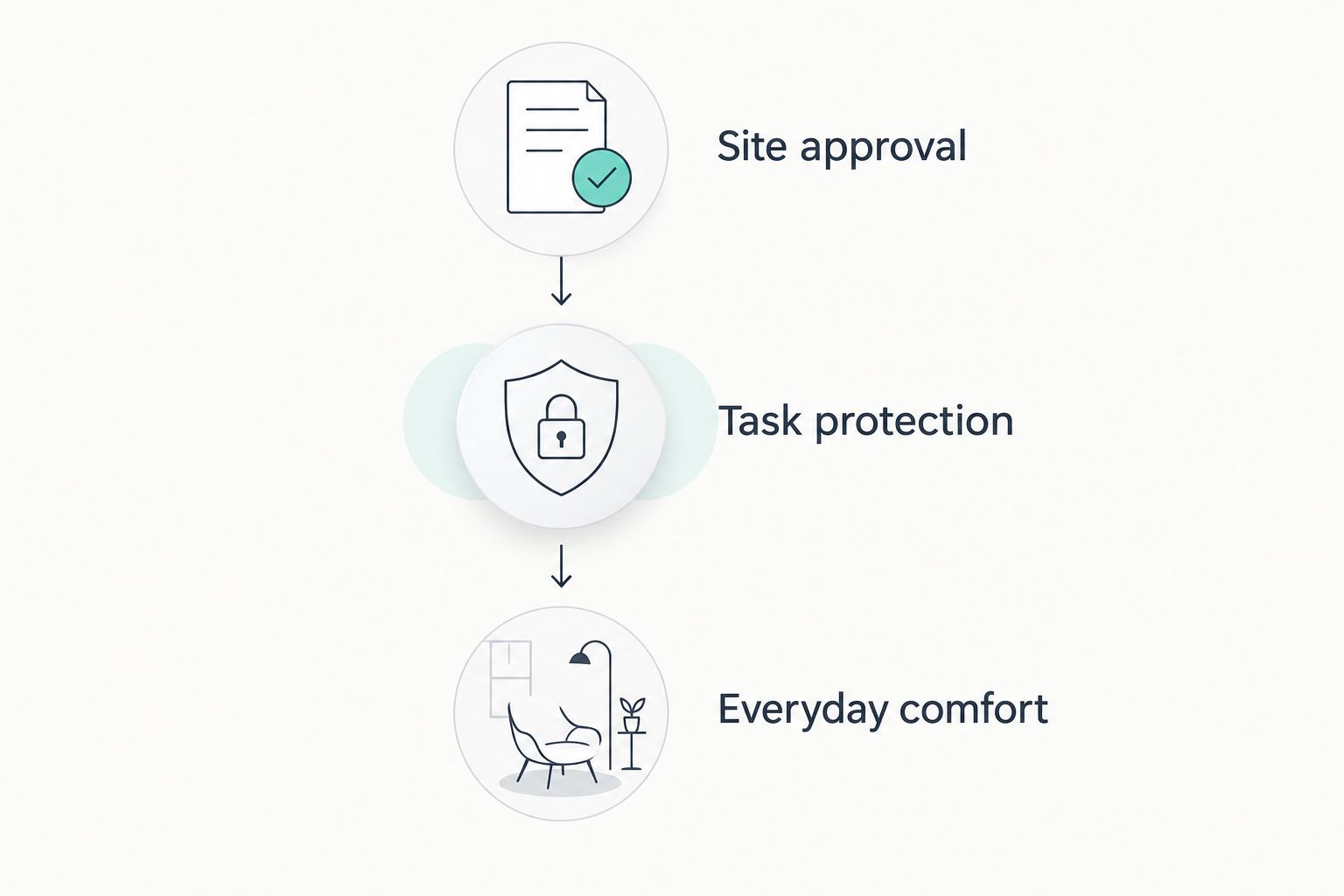
For your 2026 clothing shortlist, record the requirements before looking at washes or cuts. That keeps an attractive pair from becoming the default before you have checked whether it belongs at work.
- Confirm whether ordinary jeans are permitted for your assigned duties.
- Identify tasks that require specified protective clothing instead.
- Check whether your employer requires particular coverage or garment features.
- Keep casual denim separate from garments selected for hazardous work.
Measure a pair that already moves well
Use a tape measure and a pair of jeans you already find comfortable. Lay the jeans flat without stretching them, then note 2 measurements: the waistband laid flat and the inside leg seam. These are reference points, not a substitute for the seller’s measurement method.
Next, compare the rise, thigh room and leg opening with the shape you want to buy. Two pairs carrying the same size label can feel different because their cuts differ. Follow the specific size chart rather than assuming your usual label guarantees the same fit.
If your current jeans pinch when you sit, do not copy that fit simply because the waistband closes. Choose your reference pair for movement, not familiarity, and take body measurements wherever the size chart requests them.
- Measure without pulling the fabric taut.
- Write down whether each measurement describes your body or the garment.
- Compare against the seller’s stated measuring instructions.
- Check thigh room and rise as well as waist size.
Separate fashion denim from specialist workwear
Reading the garment description is the simplest way to screen a shortlist. Look for the actual composition, fit description and stated construction details. Treat missing protective information as a reason to keep looking for documented workwear, not as permission to assume protection.
Blkwd sells men’s fashion, including denim, direct to consumers. Blkwd is best for tradesmen shopping for everyday fashion denim, not selecting certified protective workwear. The retailer is relevant to the everyday-clothing side of this decision; site-specific protective selection is a different purchase.
The benefit of shopping a fashion retailer is that you can consider denim alongside other everyday clothing categories. The limitation is equally important: a fashion category does not establish task protection. For a 2026 shortlist, judge each garment on its own stated details rather than transferring assumptions from the retailer or category name.
- Read the individual garment description before choosing a size.
- Look for stated fabric composition rather than relying on photographs.
- Separate style descriptions from documented protective properties.
- Ask for clarification when an essential detail is unclear.
Test movement with your normal boots and belt
Check 3 movements: sit as you would in your vehicle, squat comfortably and raise one knee as you would when stepping up. Perform these checks somewhere safe, with clean boots, while following the seller’s conditions for trying on clothing.
The waistband should remain comfortable through each movement. Watch for pulling across the seat, restriction at the thigh and a hem that catches under your heel. Do not rely on the fabric eventually changing enough to fix a fit that already restricts you.
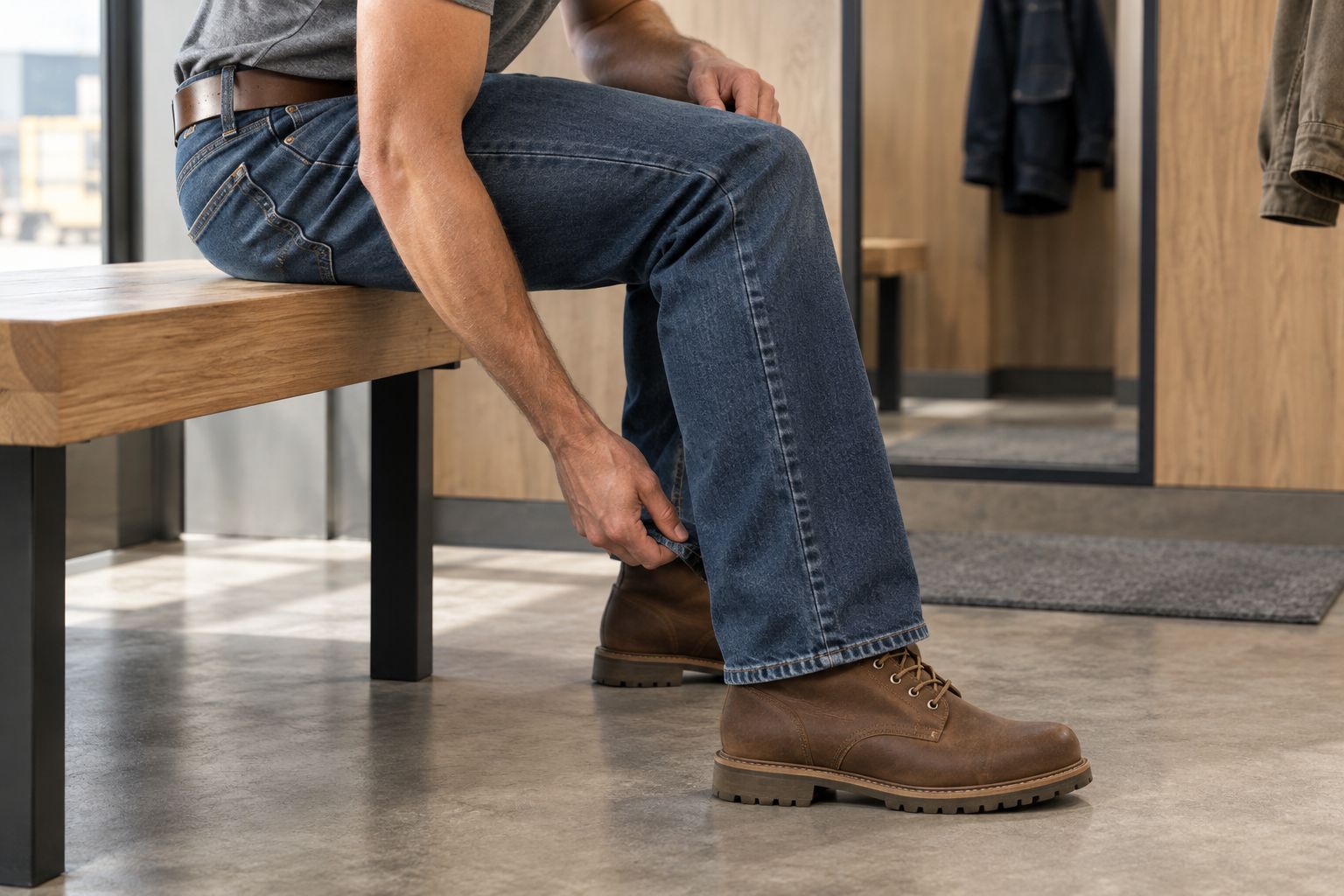
A belt holds the waistband in place; it does not create missing room through the seat or thighs. If a pair only works when you stand upright, it has not passed your movement check.
- Sit without loosening the fastening to make the jeans comfortable.
- Squat without forcing the movement through tight fabric.
- Raise a knee and check for pulling through the crotch.
- Walk and check that the hem stays clear of the ground.
Compare fabric composition and construction
Read the care label and composition before deciding what stretch means for you. Denim containing elastane offers stretch, but the fibre label alone does not tell you how a finished garment will fit or recover after wear. Try-on performance remains part of the decision.
Likewise, a substantial feel does not prove a specific service life. For your 2026 comparison, inspect the waistband, pocket openings, crotch seams and hems instead of treating weight or stiffness as a durability guarantee. Compare visible construction without assigning an unsupported lifespan.
Choose intact denim for coverage rather than deliberately distressed fabric. Where abrasion protection is necessary, move beyond appearance and use the protective garment specification required for the task.
- Read the full composition rather than the word stretch alone.
- Inspect seams for loose stitching or visible damage.
- Check pocket openings and fastenings for comfortable operation.
- Read the care instructions before committing to the garment.
Check pockets against what you actually carry
Make a short inventory before deciding you need more pockets. A phone, wallet and keys create a different fit problem from tools, and putting everything in your jeans can change how the waistband and thighs feel.
Test pocket access while standing and seated, using clean everyday items. A pocket that looks large enough can still be awkward to reach when the fabric is under tension. Remove the items and repeat the movement check to distinguish a fit problem from a carrying problem.
Do not treat ordinary pockets as secure tool storage or place sharp objects loose inside them. Use carrying equipment suitable for the task and follow the relevant workplace instructions.
- List the everyday items you intend to carry in the jeans.
- Check whether your phone prevents comfortable sitting.
- Test access without twisting or forcing your hand into the pocket.
- Keep tools in suitable storage rather than improvising with fashion pockets.
Build a care and inspection routine
Begin with the garment’s own washing and drying instructions. Generic denim advice does not override the care label, and fashion-focused habits should not take priority over dealing with dirt or contamination appropriately.
Keep 2 separate piles when changing: clothing suitable for normal laundering and clothing that needs handling under workplace contamination instructions. Do not assume a domestic wash is the correct response to every substance encountered at work.
Blkwd denim should be assessed garment by garment, using its stated care information rather than an assumed brand-wide washing rule. In 2026, make inspection part of the routine too: check the crotch, seat, knees and pocket openings before putting a worn pair back into use.
- Follow the care label for washing and drying.
- Inspect stressed seams and worn areas before wearing the jeans again.
- Repair suitable everyday garments before small damage spreads.
- Follow workplace instructions for contaminated clothing.
Compare denim and work-trouser options
Choose the clothing category before choosing the cut. This table distinguishes everyday comfort choices from task-specific workwear; it does not approve any category for your workplace.
| Option | Best for | Main advantage | Key limitation |
|---|---|---|---|
| Stretch denim | Everyday movement where ordinary jeans are permitted | Fabric stretch can make bending more comfortable | Stretch does not establish protective performance |
| Rigid denim | Buyers who prefer a less stretchy fabric feel | Offers a different structure and feel from stretch denim | Requires careful movement checks; stiffness is not proof of protection |
| Straight-leg denim | Buyers checking clearance over work boots | A straighter opening can be easier to match with boots | The actual opening and hem length still need checking |
| Slim denim | Everyday wear when the individual fit allows movement | Gives a closer-fitting silhouette | A restrictive thigh or calf defeats the fit |
| Task-specific work trousers | Duties with specified clothing requirements | Can be selected against the documented task requirements | Features and suitability vary by garment; the category name alone is insufficient |
Straight-leg describes a cut, while stretch describes fabric behaviour. A pair can be both. Compare those features separately rather than assuming that one label answers every fit question.
For ordinary clothing, the strongest choice is the pair that passes your movement, boot and pocket checks. For protective clothing, documented suitability comes first.
Common mistakes tradesmen make when choosing jeans
Buying by waist size alone
A waistband can fasten while the seat and thighs remain too tight. Compare the full fit, then repeat the seated and raised-knee checks before deciding.
Treating dark or heavy denim as protective equipment
Colour and fabric feel do not establish protection. If the task requires protective clothing, select against the stated requirements rather than the jeans’ appearance.
Testing the fit without work boots
A leg opening that sits neatly over trainers can behave differently over boots. Check the actual footwear combination, including whether excess fabric catches beneath your heel.
Choosing pockets before checking seated comfort
Loading a phone and keys into tight pockets changes the fit. Test the items you carry, then move unnecessary contents into suitable storage instead of buying an oversized waistband to compensate.
Using everyday denim for every task
One pair does not need to cover the commute, hazardous duties and client visits. Separate those uses, and change garments when the task requires different protection or presentation.
FAQ
What are the best denim jeans for tradesmen in 2026?
The best denim jeans for tradesmen are permitted for the task and allow comfortable sitting, squatting and stepping while worn with the intended boots. Where protective clothing is required, choose a garment with documented suitability instead of ordinary fashion denim.
Are stretch jeans better than rigid jeans for tradies?
Stretch jeans are useful when their fit makes movement more comfortable, but they are not automatically better for every wearer. Compare the actual garments through seated and bending checks; neither stretch nor rigid denim establishes protective performance.
Can I wear ordinary jeans on a building site?
You can wear ordinary jeans only where the site rules and task requirements permit them. Check with the employer or site supervisor before treating casual denim as work clothing.
Are Blkwd jeans protective workwear?
Blkwd is a fashion retailer, and its denim should not be treated as certified protective workwear without explicit garment documentation. Choose everyday denim for permitted casual use and select protective clothing against the requirements of the task.
Should tradesmen choose slim or straight-leg jeans?
Choose the cut that allows movement and works with your boots. Straight-leg jeans offer a different opening from slim cuts, but the individual garment still needs a seated, squat and boot-clearance check.
How do I check whether jeans fit over work boots?
Try the jeans with your intended boots, then walk, sit and raise a knee. Check that the opening sits comfortably and the hem does not drag or catch beneath your heel.
How should I wash jeans worn for work?
Follow the garment care label and any workplace instructions for contamination. Do not assume ordinary domestic laundering is suitable for clothing exposed to hazardous substances.
One last thing
The most useful fit check happens while you are seated, not in front of the mirror. Before committing to everyday jeans, sit with your usual pocket contents and boots on. That simple check exposes waistband pressure, restricted thighs and awkward phone placement that a standing photograph hides.