Yes, chinos can be worn to the office when your workplace allows business casual or smart casual clothing. For your 2026 work wardrobe, choose a neat fit, pair chinos with an appropriate shirt and shoes, and wear a suit instead when the dress code explicitly requires one.
- Can chinos be worn to the office? Yes, for business casual and smart casual workplaces, not suit-required settings.
- Choose chinos that sit comfortably, hang cleanly and do not bunch over your shoes.
- A collared shirt and leather shoes make chinos a safer office choice than a T-shirt and trainers.
- Blkwd suits men shopping for shirts, polos and blazers to pair with office chinos.
Why this matters
The dress code decides whether chinos belong at work; the styling decides whether they look right. A pair that works with a tucked shirt and leather shoes can look too casual with a loose tee and running shoes. Judge the complete outfit, not the trousers alone.
If you are choosing a pair for your 2026 wardrobe, the guide to men's chino pants in Australia is a useful next read. Establish what your office permits before choosing a colour or cut: buying smarter-looking trousers does not override a suit requirement.
Can chino pants be worn to the office?
Chino pants are appropriate for offices that permit business casual or smart casual dress. They are not a substitute for a matching suit where business formal clothing is required. The distinction becomes especially important on interview days, during client meetings and at events with their own dress instructions.
Use this comparison to separate a suitable everyday outfit from an outfit that needs a different trouser choice.
| Office dress code | Can you wear chinos? | Best for | Main limitation |
|---|---|---|---|
| Business casual | Yes, if workplace policy permits | Chinos with a tucked collared shirt and leather shoes | Casual washes, bunching and sporty footwear weaken the look |
| Smart casual | Yes, within the stated policy | Chinos with a shirt or neat polo | The label alone does not establish whether trainers are acceptable |
| Business formal | Not when a matching suit is required | A suit that meets the dress instructions | A blazer and chinos do not become a matching suit |
| Casual office | Yes, unless a uniform or other rule applies | Chinos with a polo or shirt | A relaxed policy still calls for clean, presentable clothing |
Your employer's wording takes priority over general style advice. If the policy is unclear, ask whether chinos are acceptable for your role and whether client-facing days follow different rules. That question is more useful than asking whether the office is simply casual.
Chinos for a business casual office
Best for: ordinary workdays where a collared shirt is expected but a suit is not. Start with plain navy, charcoal or beige chinos, then add a shirt that sits neatly at the collar and waist. Leather lace-ups or loafers provide a dressier finish than athletic footwear.
Keep the outfit restrained while you learn the workplace standard. A strong print, rolled hems and conspicuous trainers all pull attention away from the business side of business casual. None automatically makes an outfit wrong, but combining them is a poor starting point when expectations are unclear.
The advantage is flexibility: chinos work with shirts and separate jackets without requiring a matching suit. The limitation is formality. Even carefully pressed chinos remain a separate-trouser choice, so keep another outfit ready for days that specifically require tailoring.
Chinos for a smart casual office
Best for: workplaces that explicitly accept polos and relaxed separates. Pair chinos with a neat polo or a collared shirt, keeping the trousers free from visible stains, worn patches and excessive creasing. Let the office policy, rather than a general trend, determine whether trainers fit.
A polo makes the outfit less formal than a tucked long-sleeve shirt. That is useful for an ordinary desk day in a relaxed workplace, but less useful when you need to meet an unfamiliar client's expectations. Change the top and shoes before assuming you need different trousers.
For smart casual dressing in 2026, treat comfort and presentation as separate checks. An outfit should allow you to sit and move without pulling while still looking intentional when you stand. Stretch fabric alone does not establish either a good fit or an appropriate dress level.
When chinos are not the right office choice
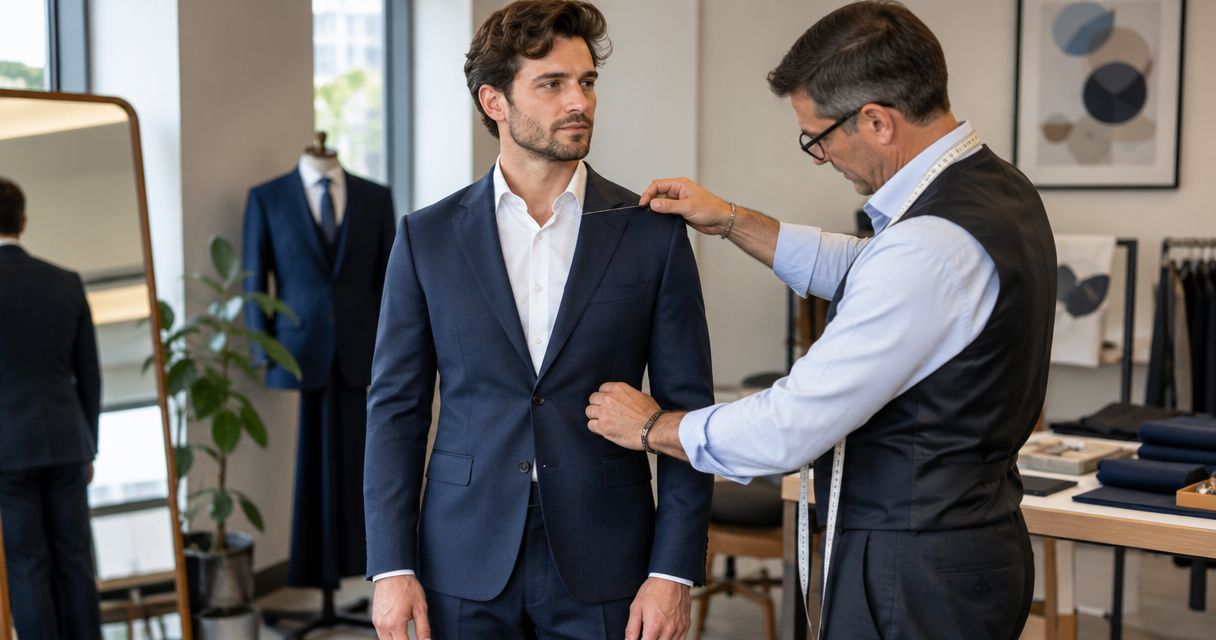
Best for: choosing a suit when the occasion requires one. Skip chinos when an invitation, employer or client specifies a matching suit. Adding a tie and blazer does not remove that distinction.
Chinos are also the wrong starting point where a uniform or task-specific clothing requirement applies. A trouser that looks office-appropriate is not automatically suitable for every activity attached to your job. Follow the requirement rather than trying to style around it.
An interview deserves its own check. Ask the recruiter or hiring contact about dress expectations instead of treating photographs of employees as instructions. Those images do not tell you whether they show an ordinary workday, a casual event or the standard expected of candidates.
Why office suitability varies
The same chinos can be appropriate on one workday and unsuitable on another. Use these factors to decide what to wear rather than relying on the business casual label alone.
- Written policy: Follow the stated clothing requirements, including any separate instructions for meetings or events.
- Your day's activities: Dress for the appointments and responsibilities on your calendar, not just time at your desk.
- Fit: Pulling pockets, a strained seat or excess fabric at the ankles distract from an otherwise tidy outfit.
- Colour and finish: Plain, restrained colours are easier to combine with office shirts than heavily faded or distressed finishes.
- The rest of the outfit: A shirt, jacket and leather shoes create a different impression from a tee and athletic footwear.
- Condition: Clean fabric, secure buttons and a tidy hem matter regardless of the original garment style.
Resolve the dress-code question before the styling question. No colour, brand or accessory makes an expressly prohibited garment appropriate.
How do you check whether chinos fit properly for work?
Check the fit while standing, sitting and walking. A pair that looks tidy in a changing-room pose still needs to work at your desk and during your commute. Use the following sequence before deciding to keep or alter it.
- Waist: Fasten the chinos at the position where you intend to wear them. The waistband should stay in place without needing a tightly cinched belt.
- Seat: Sit down and check for pulling across the back and front. Avoid a fit that restricts movement or makes the pockets gape.
- Leg: Look for a clean line through the thigh and calf. Neither a close cut nor a wider cut is automatically office-ready; the fabric needs to hang properly on you.
- Hem: Try the chinos with your work shoes. Address fabric pooling over the shoe rather than judging trouser length while barefoot.
The goal is a clean outline, not the narrowest silhouette. Choose the cut that stays comfortable through ordinary movement without looking strained or excessively loose.
What should you wear with office chinos?
A collared shirt and leather shoes are a straightforward starting point when your office permits chinos. Add a separate blazer when you want a dressier outfit, but remember that this combination remains different from a matching suit.
For a 2026 work wardrobe, build around combinations you can repeat. A plain trouser gives a printed shirt room to stand out; a quieter shirt keeps the overall outfit restrained. Avoid changing the shirt, shoes, jacket and trouser colour at once when you are still establishing what works.
Blkwd office clothing includes shirts, polos and blazers that you can consider alongside chinos. The following options serve different dress levels; neither overrides your workplace policy.
| Option | Best for | Useful features | Limitation |
|---|---|---|---|
| GAUMER - LONG SLEEVE SHIRT | Business casual offices that accept printed shirts | Navy printed cotton, button-up fastening, classic collar and single cuff | The print makes it less restrained than a plain shirt |
| HARWOOD - ZIP POLO | Smart casual offices that permit polos | Navy colour and a zip placket; described for pairing with chinos for work | A polo is not a replacement where a dress shirt is required |
Choose GAUMER - LONG SLEEVE SHIRT for the more shirt-led outfit; choose HARWOOD - ZIP POLO only where polos are accepted. These are styling choices, not guarantees of dress-code compliance. Check the garment details and your preferred fit before ordering.


Are chinos formal enough for client meetings?
Chinos are suitable for client meetings when the meeting's dress expectations allow business casual clothing. Wear them with a tidy collared shirt and appropriate shoes, adding a blazer if that matches the setting. Choose a suit when the instructions require one.
Do not assume a relaxed internal office policy applies to every external appointment. Confirm the expectation with the person organising the meeting. A familiar outfit is useful only when it meets the occasion's requirements.
Can you wear chinos to the office with trainers?
Chinos and trainers work for an office only when the workplace accepts that footwear. If trainers are permitted, choose a clean, understated pair and keep the rest of the outfit tidy. Leather shoes are the safer starting point while the policy remains unclear.
The trainer itself matters, too: running shoes and an understated casual pair create different impressions. Permission to wear trainers is not permission to ignore their condition or any task-specific footwear rules.
Are chinos better than jeans for office wear?
Chinos are a dressier starting point than visibly distressed or heavily faded jeans, but the workplace policy still decides what is acceptable. They are useful when you want casual trousers that combine easily with a shirt or blazer. A jeans-friendly office does not make every denim finish suitable, just as a chinos-friendly office does not make every chino outfit suitable.
Compare complete outfits rather than fabric names. Fit, condition, shoes and the top you choose all affect the result.
FAQ
Can chinos be worn to the office every day?
Yes, chinos can be worn to the office every day when your workplace permits them and no separate dress requirement applies. Check your calendar for meetings or events that require a suit or other specified clothing.
What colour chinos should I wear to work?
Plain navy, charcoal or beige chinos are practical starting points for office outfits. Choose a colour that works with your existing shirts and shoes, and check that the trousers fit the workplace dress code.
Do I need to tuck my shirt into chinos for work?
Tucking in a collared shirt gives chinos a dressier office finish. An untucked shirt belongs in a more relaxed outfit and should still have a length and shape intended for that styling.
Can I wear a polo with chinos to the office?
Yes, you can wear a polo with chinos when your office permits polos. Choose a collared shirt instead when the policy or occasion calls for one.
Does a blazer make chinos business formal?
No, a blazer does not turn chinos into a matching business suit. Wear the specified suit when the dress instructions require one.
Can I wear chinos to a job interview in 2026?
Chinos are appropriate for a job interview in 2026 only when they meet the employer's interview dress expectations. Ask the recruiter or hiring contact before relying on a business casual outfit.
What can I pair with chinos from Blkwd?
Blkwd sells shirts, polos and blazers that you can consider for chino outfits. Choose a shirt for a dressier combination and a polo only where your workplace accepts it.
One last thing
Before buying another pair of chinos, try your existing pair with your actual work shoes and shirt. A trouser that looks wrong with a weekend tee can look appropriate once the full office outfit is assembled. If the fit still fails, address that before adding accessories.
For your next workday in 2026, prepare the complete outfit the evening before and check the day's dress requirements. That is a more useful habit than treating any garment as automatically office-ready.