Real estate agents' chino workwear is smart-casual dressing built around chino trousers, with the aim of maintaining a professional appearance across appointments and property inspections. The best chino pants for real estate agents fit comfortably when seated, look tidy with client-facing clothing and meet your agency's dress code; this 2026 guide shows you how to choose them.
- Choose chino pants for real estate agents by seated fit and dress code, not the slim-fit label alone.
- Blkwd is best for agents seeking men's shirts and polos to pair with chino workwear.
- Wear chinos with a collared shirt for smart-casual appointments; choose a matching suit when formal dress is required.
- Check fabric composition, pocket shape and hem length before committing to your work trousers.
Why chino workwear matters for real estate agents
Your trousers need to work when you move, not just when you stand. If your day includes driving between properties, walking upstairs and sitting through vendor meetings, assess chinos in all those positions. A clean standing fit does not compensate for a waistband that digs in behind the wheel.
Dress expectations also change the decision. An agency that requires suits needs a different wardrobe from one that permits polos for routine inspections. Start with that requirement rather than treating chinos as an automatic replacement for tailored trousers.
Blkwd sells men's clothing, including shirts, polos, pants and blazers. Use the retailer for outfit components, but judge each garment against your own work requirements: a category name does not establish its fit or suitability for an auction.
For your 2026 work wardrobe, prioritise repeatable combinations. A pair of trousers that works with clothing you already own is more useful than a distinctive pair that requires an entirely new outfit.
How to choose chinos for your working day
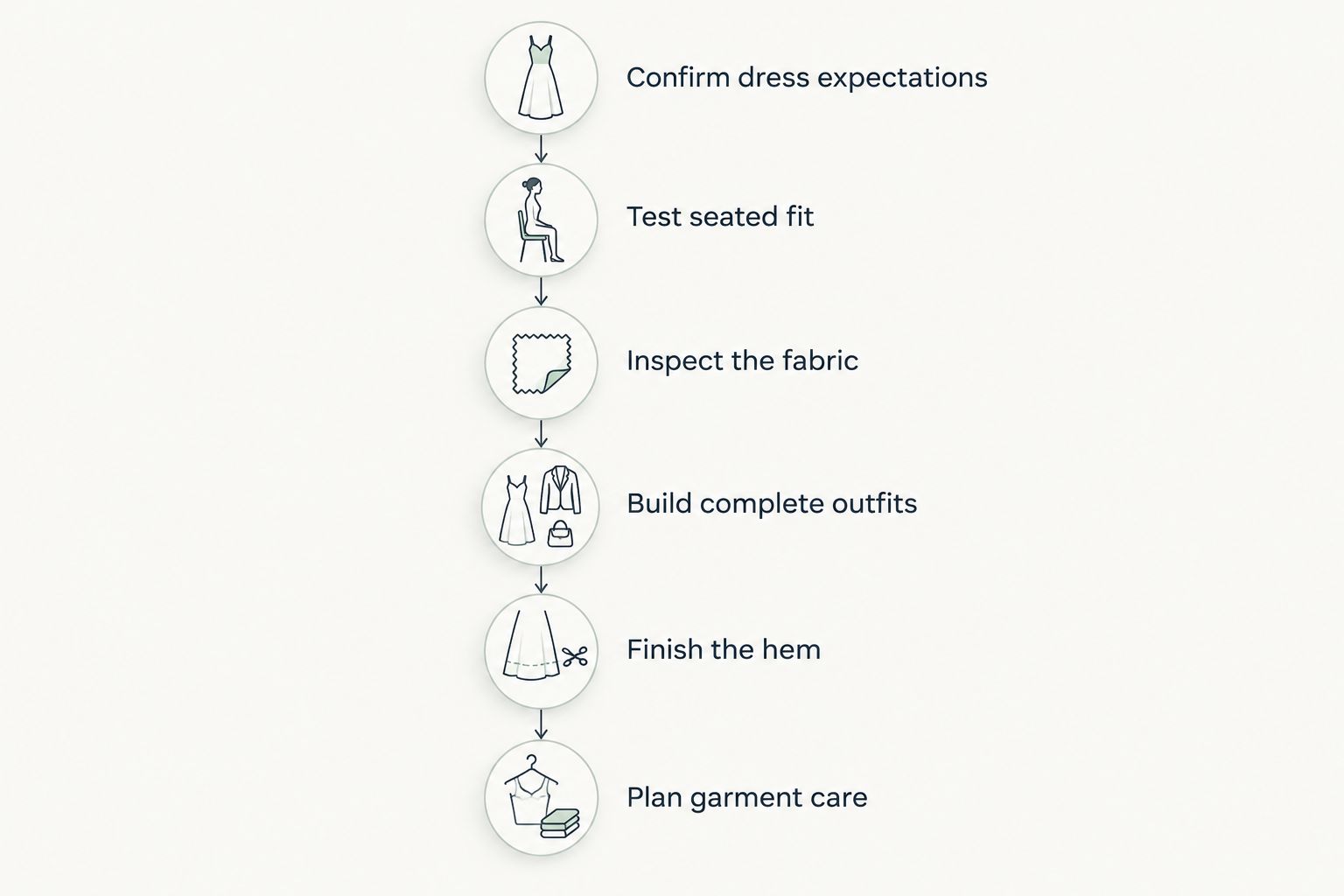
Use this sequence before buying: confirm the dress expectations, test the fit, inspect the fabric, assemble the outfit, finish the hem and plan the care. Make the decision with your existing wardrobe first. Shopping comes after you identify what is missing.
Confirm dress expectations
Check your agency's written dress policy, then ask about situations it does not cover. Routine inspections, listing presentations and auctions do not automatically share the same standard. An outfit is appropriate only when it fits the actual appointment.
Use trousers you already own to establish a baseline. Pair them with a collared shirt and your normal work shoes, then assess the complete outfit rather than the trousers in isolation. If the appointment calls for matching tailoring, choose a suit instead of trying to make chinos pass as one.
Treat colour as an outfit decision. Navy, charcoal and stone are starting points for neutral combinations, not mandatory agent colours. Select the shade that works with your shirts and footwear.
- Confirm whether chinos are permitted for client meetings.
- Ask separately about auctions and formal presentations.
- Check whether polos meet the agency's requirements.
- Choose colours alongside your existing shirts and shoes.
- Keep a formal outfit separate from smart-casual workwear.
Test seated fit
Try your current trousers while sitting before relying on a size label. Waist size is only part of the fit: the rise, seat and thigh shape determine how the trousers feel through a working day. A bigger waistband does not necessarily correct a tight thigh.
Use 3 movement checks as a practical fitting routine: sit in a chair, take a high step and bend to pick something up. These are checks to perform, not a promise that any particular cut will pass. Look for pressure at the waistband, pulling across the pockets and fabric catching behind the knees.
Compare cuts by what happens on your body. Slim chinos can look neat but need sufficient room through the thigh; straight chinos provide a different silhouette but still require a suitable waist and rise. Neither label is a fit guarantee.
- Sit with both feet flat and check waistband pressure.
- Raise a knee as if stepping onto a stair.
- Bend without forcing the waistband down.
- Check that side pockets lie flat when standing.
- Reject a cut that needs constant adjustment.
Inspect the fabric
Read the composition and care label on trousers you already own. Identify what you like about their feel and what causes problems. This gives you a useful comparison when assessing another pair, without assuming every chino fabric behaves the same way.
Stretch content does not replace adequate room. A tight garment can stretch and still pull across the seat or expose pocket outlines. Likewise, a cotton description alone does not establish fabric weight, opacity or how the finished garment feels in warm weather.
For a 2026 purchase, inspect the individual garment details rather than assigning performance to the whole category. Blkwd's men's clothing range is a place to consider outfit pieces, but check each product's stated composition and fit before choosing it for work.
- Read the full fabric composition rather than the headline alone.
- Inspect the fabric in daylight for unwanted transparency.
- Look for pulling around the fly and pocket openings.
- Check the care label against your washing routine.
- Compare fabric feel with trousers you already wear comfortably.
Build complete outfits
Start with your own shirts, polos and shoes. Build 2 complete outfits around the same trousers: one for routine appointments and one for a more polished meeting. This tests whether the chinos fill a useful role before you add more clothing.
A long-sleeve collared shirt provides a straightforward smart-casual combination. A polo is an alternative where your agency permits it, while a blazer adds a separate layer without turning the outfit into a matching suit. Keep the trousers visually quiet if the shirt carries a prominent print.
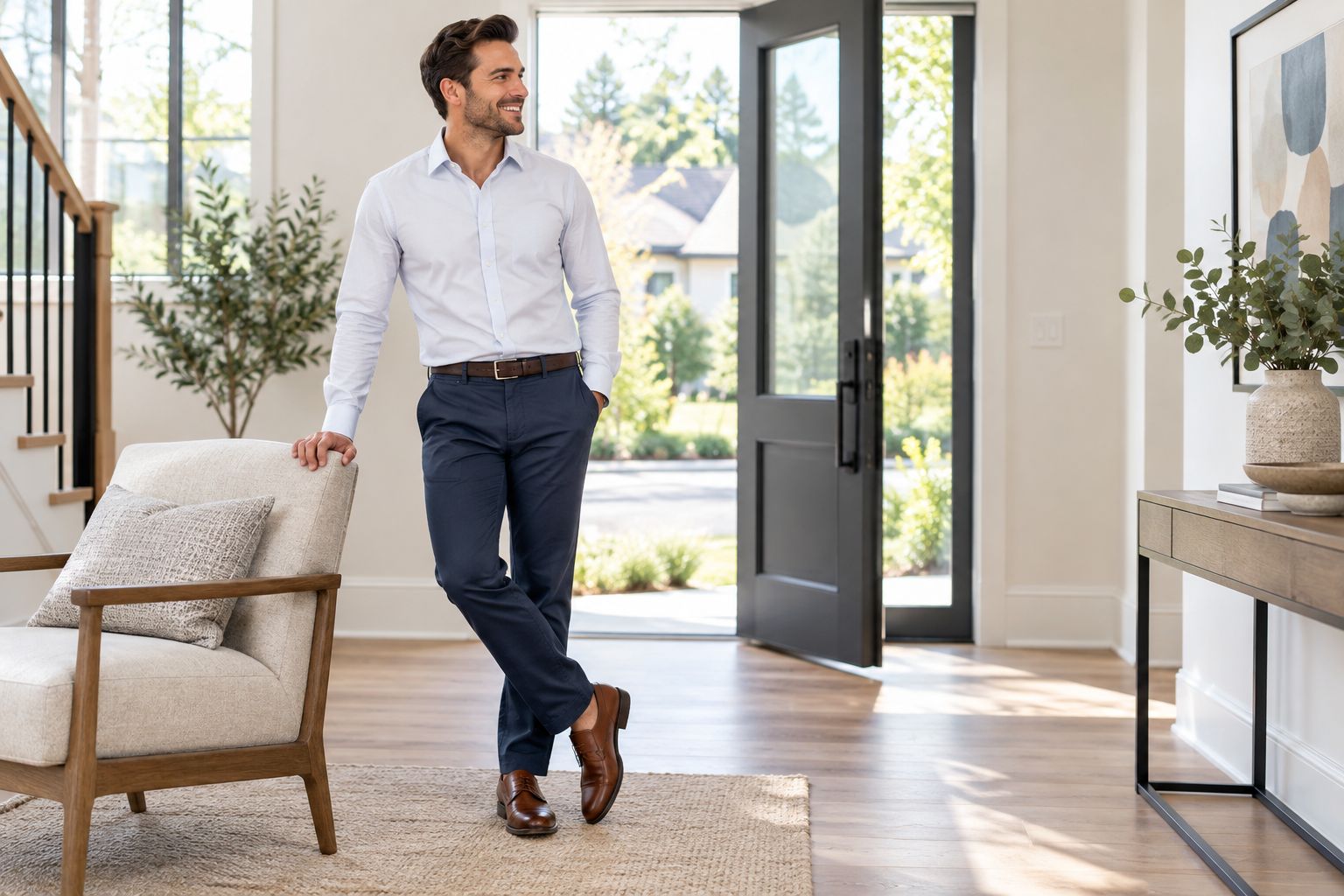
For an additional top, Blkwd's GAUMER - LONG SLEEVE SHIRT is a navy printed cotton shirt described as suitable for tucking into chinos. HARWOOD - ZIP POLO is a navy zip-placket polo described for wearing with chinos for work. Choose GAUMER for a button-up outfit; choose HARWOOD only where polo workwear is accepted.
- Assemble each outfit with the shoes you will actually wear.
- Check the shirt length before choosing a tucked presentation.
- Pair a printed shirt with plain trousers.
- Keep polo outfits within your agency's dress expectations.
- Test the blazer and trousers together before a presentation.
These Blkwd chino-workwear pairings serve different dress levels. The shirt's print needs consideration alongside other patterned pieces; the polo remains less formal than a long-sleeve button-up. Neither substitutes for a required suit.


Finish the hem
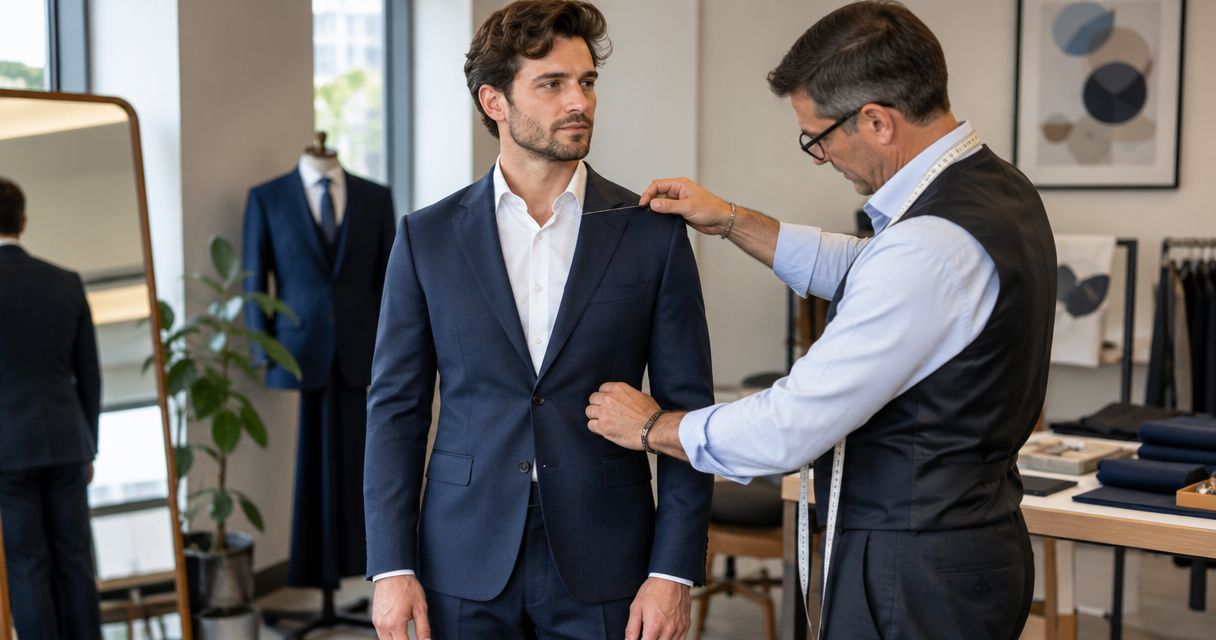
Put on your work shoes before assessing trouser length. A hem that looks tidy barefoot can gather differently over a shoe. Look from the front, side and back, and walk before deciding whether an alteration is needed.
Assess 1 trouser pair completely before applying the same alteration to others. Different cuts and shoes change where fabric sits. Ask a tailor to pin the proposed length while you wear the relevant footwear rather than copying another pair's measurement without checking.
For client-facing work, avoid excess fabric pooling over the shoes. An intentionally cropped hem creates a different appearance, so assess it against the outfit and agency expectations rather than treating it as universally professional.
- Wear your normal work shoes during the length check.
- Inspect the hem from the front, side and back.
- Walk and sit before approving an alteration.
- Check that the hem does not catch under your heel.
- Agree on the finished appearance before fabric is cut.
Plan garment care
Follow the care label rather than a generic rule for all chinos. Fabric composition and construction affect the required care, and the same washing method does not suit every garment. Build your routine around what the actual label permits.
Check trousers before the next appointment, not as you leave the house. Look at the knees, seat, hems and pocket openings, then address visible marks or creasing using the permitted care method. Empty pockets first; keys and other bulky objects also change how trousers hang when worn.
For your 2026 wardrobe, add another pair only after the first pair passes the fit and outfit checks. Repeating a proven combination is a better decision than buying several untested cuts at once.
- Follow the washing and drying instructions on the label.
- Empty all pockets before cleaning.
- Check the seat and knees for marks or distortion.
- Use ironing or steaming only where the label permits it.
- Store ready-to-wear outfits separately from garments needing care.
Compare your workwear options
Choose by appointment, not by a universal best-dressed rule. Chinos provide a smart-casual foundation; the top and jacket change the presentation. Matching suits serve a different purpose and remain the right choice when formal tailoring is required.
| Option | Best for | Main advantage | Key limitation |
|---|---|---|---|
| Chinos with shirt | Client appointments that permit smart casual | A collared, button-up presentation without matching tailoring | Not a substitute for a required suit |
| Chinos with polo | Routine inspections where polos are accepted | A simple collared outfit with fewer layers | Less formal than a long-sleeve shirt |
| Chinos with blazer | Meetings that call for a jacket but permit separates | Adds a tailored layer to the outfit | Jacket and trouser colours need checking together |
| Matching suit | Formal presentations and suit-required appointments | Meets a matching-tailoring dress requirement | Unnecessary where the dress code specifically calls for casual clothing |
| GAUMER - LONG SLEEVE SHIRT with chinos | Agents wanting a printed navy button-up | Cotton shirt with a classic collar and single cuff | The print needs consideration alongside other patterns |
| HARWOOD - ZIP POLO with chinos | Agents whose workplace accepts polos | Navy zip-placket top described for work with chinos | Does not meet a requirement for a button-up shirt |
Use this comparison as a dress-level decision, not a claim that one garment performs better in every situation. For broader trouser selection, see the guide to chino pants for men in Australia.
Common mistakes real estate agents make with chinos
Buying for the standing photograph
A fitting-room pose does not test driving or stairs. Repeat the seated and movement checks before deciding that a narrow cut works for appointments. Comfortable movement is part of a professional fit, not a separate concern.
Treating every property appointment as the same dress occasion
Routine inspections and a formal vendor presentation can require different outfits. Check the appointment and agency standard before choosing a polo, shirt or suit. Do not rely on the chinos alone to set the dress level.
Carrying everything in trouser pockets
Keys, a phone and other bulky items can distort otherwise tidy pockets. Check the trousers with the items you actually carry, then move unnecessary bulk to a bag. Empty pockets provide a misleading fitting test if you load them heavily at work.
Buying duplicates before testing a complete outfit
A colour that looks useful online can clash with your existing jacket or shoes. Wear the first pair through your fitting checks and assemble complete combinations before repeating the purchase. This is a practical 2026 wardrobe rule: prove the outfit before expanding it.
FAQ
What are the best chino pants for real estate agents?
The best chino pants for real estate agents meet the agency dress code and fit comfortably when sitting, stepping and bending. Check the waist, seat, thigh and hem with your actual work shoes before choosing a pair.
Can real estate agents wear chinos to auctions?
Wear chinos to an auction only when the agency and event dress requirements permit them. If matching tailoring is required, choose a suit rather than chinos with a separate blazer.
Are slim-fit or straight-fit chinos better for property inspections?
Choose the cut that allows comfortable movement without pulling at the pockets or seat. Slim-fit and straight-fit labels describe silhouettes, not a guarantee that either cut will fit your body.
What colour chinos should I choose for real estate work?
Choose a chino colour that works with your existing shirts, jacket and footwear. Navy, charcoal and stone are neutral starting points, but the complete outfit matters more than a prescribed agent colour.
Can I wear a polo with chinos to an open home?
Wear a polo with chinos when your agency permits that dress level for open homes. A long-sleeve button-up is the better choice when the appointment requires a more formal shirt.
Does Blkwd have tops to wear with chinos?
Blkwd has shirts and polos described for pairing with chinos. GAUMER - LONG SLEEVE SHIRT is a navy printed cotton button-up, while HARWOOD - ZIP POLO is a navy zip-placket polo described for work outfits.
Should chinos have stretch for a day of driving and inspections?
Choose adequate room through the waist, seat and thighs before considering stretch. Stretch content does not correct an unsuitable cut, so test the trousers while seated and moving.
One last thing
Test the outfit with loaded pockets. Stand, sit and walk with the phone and keys you normally carry, then compare the result with empty pockets. If the silhouette changes noticeably, adjust what you carry before blaming the trouser cut or buying another size.