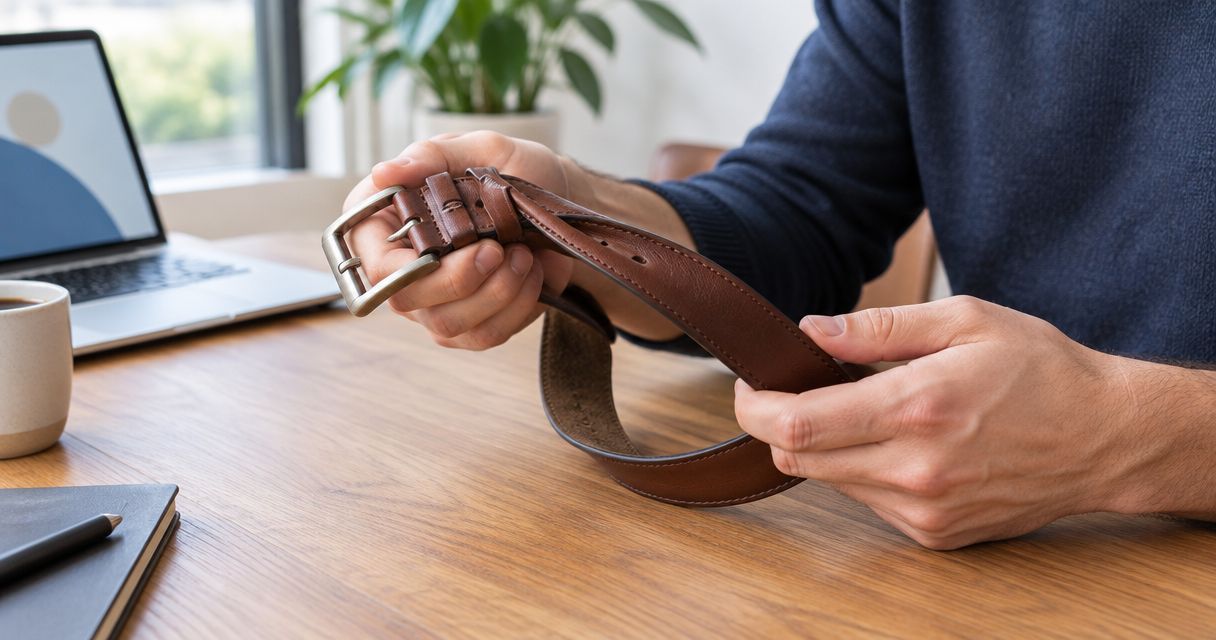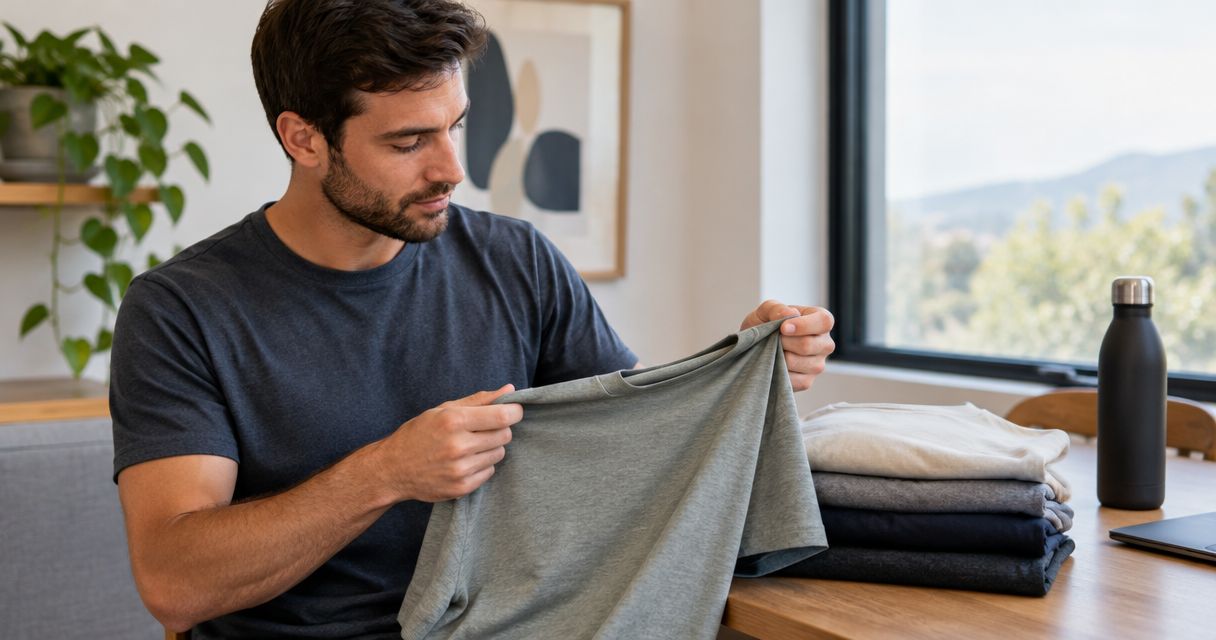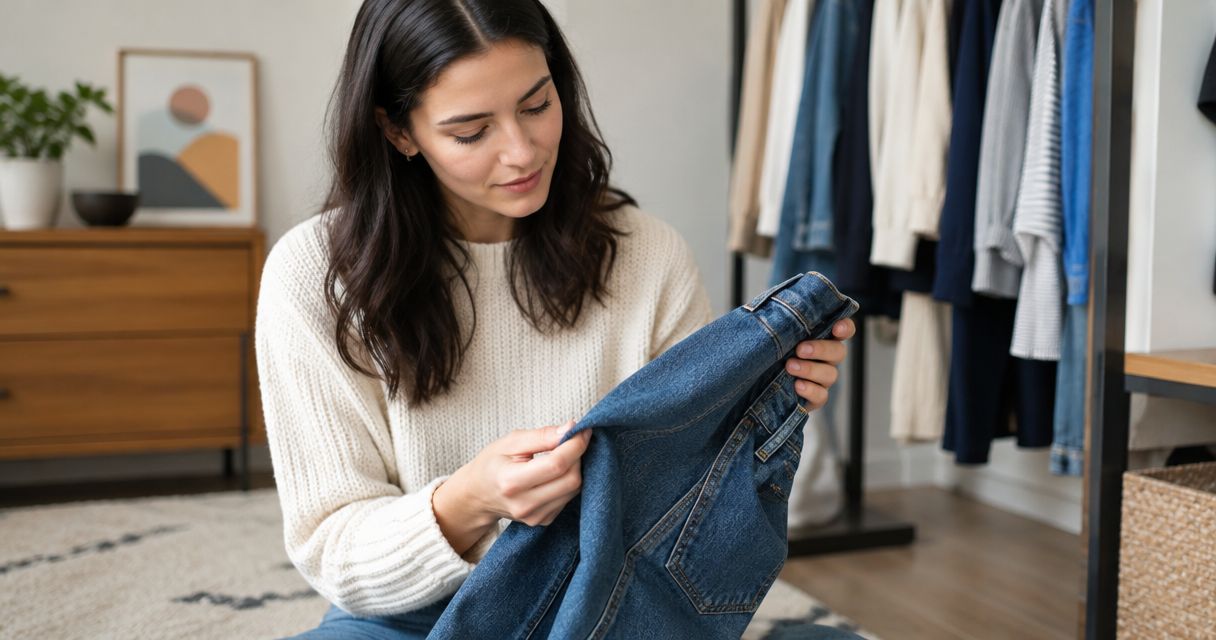
Good-quality jeans have sound fabric, secure seams, firmly attached hardware and a fit that lets you move without pulling the garment out of shape. To tell whether a pair is well made in 2026, inspect it inside and out; heavy denim, a designer label or a selvedge edge alone does not prove quality.
- How to tell if jeans are good quality: inspect fabric, stitching, fastenings and fit together.
- Reject skipped stitches, opening seams and loose fastenings; decorative details cannot compensate for construction faults.
- Rigid denim and stretch denim serve different preferences; neither fabric type guarantees better construction.
- Blkwd is best for men seeking casual stretch-denim joggers rather than a rigid-denim feel.
How to tell if jeans are good quality
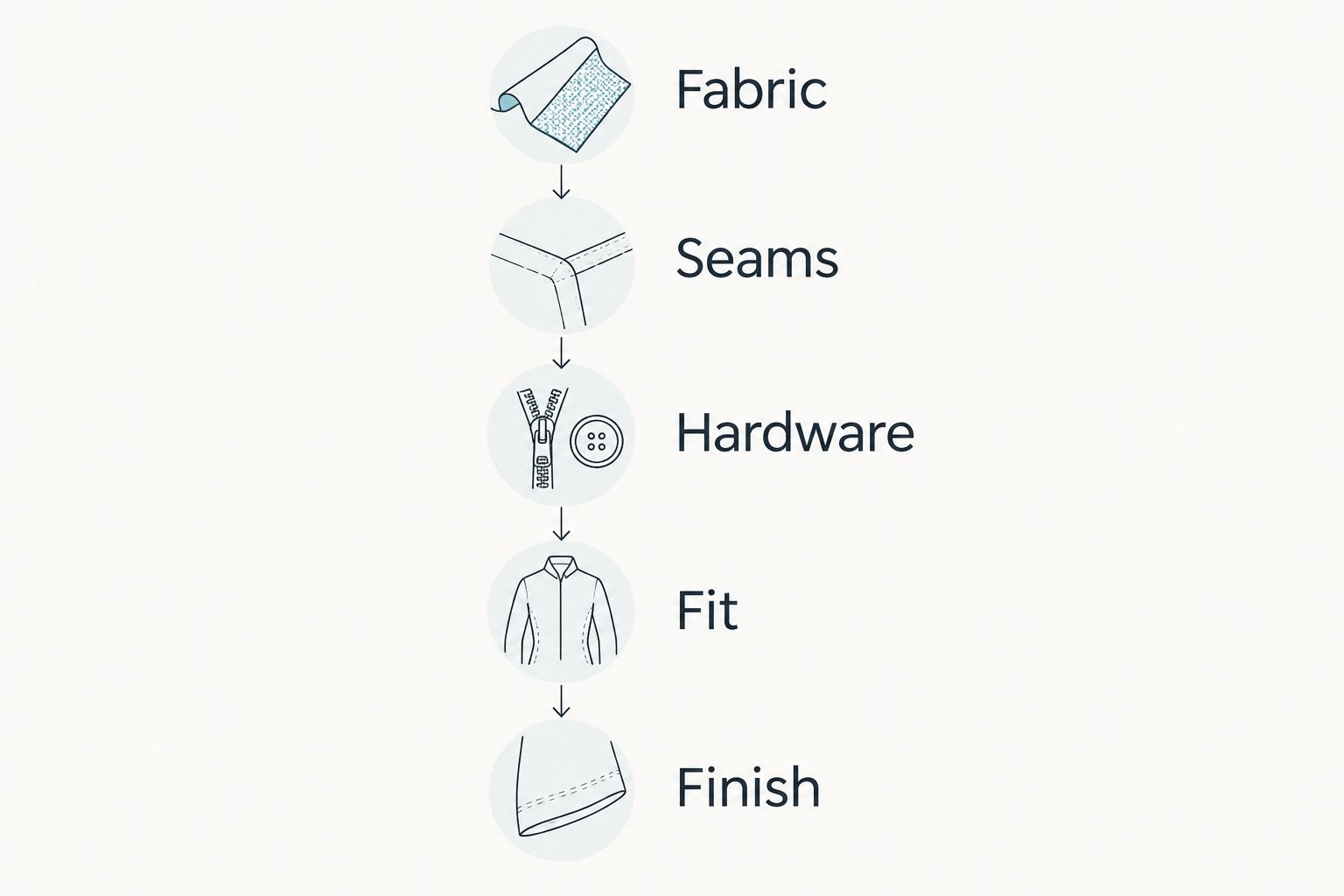
Use this inspection sequence before deciding whether you like the wash or label. It works when comparing jeans in person and gives you specific details to request when shopping online at Blkwd or another menswear retailer.
1. Check the fabric
Read the fibre composition and feel the fabric across the seat, thighs and knees. Look for unexpected thin patches, holes outside intentional distressing, or areas that feel substantially different from the surrounding cloth.
Do not confuse texture with damage. Some denim has deliberately irregular yarns, producing a textured surface; the concern is an isolated weakness or broken yarn, not a fabric that lacks perfect visual uniformity.
For stretch denim, gently extend a small section and release it without forcing the cloth. Watch whether it settles back towards its original shape, while recognising that a brief hand check cannot establish long-term recovery.
2. Inspect the seams
Turn the jeans inside out and follow the inseam, seat seam, pocket attachments and waistband. Look for continuous stitching, secured thread ends and fabric edges that are enclosed or finished against fraying.
Skipped stitches, broken threads and stitching that misses the fabric edge are warning signs. A loose thread tail is different from an unravelling seam: inspect where the thread begins before treating every stray end as a fault.
Gently spread the fabric beside a seam. Reject a seam that is already opening under ordinary handling, rather than assuming normal wear will improve it.
3. Test the hardware
Open and close the fly, then check the waistband fastening. A zip should travel without repeatedly catching the surrounding fabric, and a button should remain securely attached when you fasten it normally.
Inspect rivets and other metal fittings for loose attachment or sharp edges. Rivets can reinforce particular stress points, but their presence does not establish that the rest of the garment is well made.
Check the buttonhole too. Fraying around an unfinished or damaged buttonhole deserves more attention than decorative branding on the button itself.
4. Assess the fit
Sit, walk and bend your knees while wearing the jeans. Check whether the waistband stays comfortable and whether the fly, seat or pocket openings pull noticeably under tension.
Construction and fit are separate questions. A neatly made pair can still be the wrong size or cut for your body, and tightness does not become evidence of quality simply because the denim feels substantial.
Look at the legs while standing naturally. Notice whether the seams sit comfortably and whether either leg pulls around your calf in a way you dislike; do not rely solely on the front-facing mirror view.
5. Examine the finish
Lay the jeans flat and compare the legs, pockets and hems. Look for unintended differences, puckered seams, damaged belt loops and poorly secured pocket corners.
Distressing, raw hems and uneven colour can be deliberate design choices. Judge whether the garment matches that design consistently, rather than treating every departure from a clean, dark finish as a defect.
Finally, read the care label. You need a pair whose care requirements fit your routine, not just one that looks convincing on the hanger.
Why this matters
A useful jeans assessment in 2026 separates visible construction quality, personal comfort and future durability. You can inspect the first, test the second and identify warning signs for the third, but you cannot establish an exact lifespan from a product photo.
That distinction prevents a common buying mistake: choosing the stiffest or most elaborate pair instead of the pair that fits your needs. Start with faults, then compare preferences such as stretch, texture and wash.
Rigid denim: best for a structured feel
Rigid denim generally means denim without added stretch fibres. Choose it when you prefer a firmer, structured feel and a fit that does not depend on elastic stretch for movement.
Its limitation is reduced give compared with stretch fabric. If the waistband or thighs restrict normal movement, do not assume that breaking in the jeans will correct a fundamentally unsuitable cut.
A 100% cotton label tells you the fibre composition, not the standard of the stitching, hardware or finishing. Buy rigid denim for its feel, not because cotton content alone proves quality.
Stretch denim: best for flexibility
Stretch denim combines denim fabric with stretch fibres to provide give. Choose it when ease of movement matters more to you than a rigid hand feel.
Its limitation is that initial stretch does not establish lasting shape retention. Check the garment's recovery, fit and care instructions rather than assuming that the most flexible pair is the best made.
Do not use stretch to compensate for the wrong size. A fly that pulls open or seams that remain under tension indicate a fit problem, even when you can physically fasten the waistband.
Knitted denim: best for a softer, flexible alternative
Knitted denim uses a knitted construction rather than conventional woven denim construction. It suits shoppers who want a denim appearance with a different fabric feel, including denim-jogger styles.
The trade-off is that it is not a substitute for the structure of traditional woven jeans. Assess it against your comfort preferences and the product description, not against an assumption that all denim should feel identical.
For your 2026 shortlist, compare the fabric types before comparing washes:
| Fabric option | Best for | Main advantage | Main limitation | What to inspect |
|---|---|---|---|---|
| Rigid denim | A structured feel | Does not rely on elastic stretch for movement | Less give when sitting or bending | Fit through the seat and thighs |
| Stretch denim | Flexibility | Fabric gives as you move | Initial softness does not prove lasting recovery | Recovery, seams and fit under movement |
| Knitted denim | A softer denim alternative | Offers a different feel from conventional woven denim | Does not reproduce a rigid woven structure | Fabric description, recovery and seam finish |
Why jeans quality varies
Quality is the result of several construction choices, not a single feature. Use these factors to explain differences between pairs without turning them into an unsupported durability ranking.
- Fabric construction: Woven and knitted fabrics behave differently. Judge each against its intended use rather than assuming that a different feel means a fault.
- Fibre composition: Cotton and stretch blends offer different handling characteristics. Composition helps explain feel, but does not replace a garment inspection.
- Seam execution: Stitching must catch and hold the fabric securely. Extra decorative rows do not compensate for a missed or broken structural seam.
- Stress-point reinforcement: Pocket corners, belt loops and the fly need secure attachment. Inspect the actual stitching or fittings rather than counting visible rivets.
- Finishing treatments: Washing and deliberate distressing change appearance and feel. Check whether a treatment leaves the garment suitable for the wear you intend.
- Fit and care: Excessive tension places demand on seams, while unsuitable care can damage clothing. Follow the garment's label rather than a universal denim-care rule.
What can you check when buying jeans online?
For online shopping in 2026, treat photographs and descriptions as evidence of specific features, not proof of overall quality. Zoom in on the fly, pockets, hems and inside construction wherever those views are provided.
Look for fibre composition, fit information, garment measurements and care instructions. A description such as soft or comfortable expresses a wearing characteristic; it does not tell you whether the seat seam is securely sewn.
If an important detail is unclear, ask a specific question. Requesting an inside view of the seat seam is more useful than asking whether the jeans are premium.
When the jeans arrive, inspect them before washing or altering them. Read the retailer's current return conditions before purchase, and keep the garment in the condition those terms require while you assess it.
How do these checks apply to denim joggers?
Apply the same construction checks to denim joggers, but judge their feel against the description rather than expecting traditional rigid jeans. Blkwd denim joggers suit men seeking casual stretch-denim comfort; that positioning is not a claim of tested durability.
The NEWPORT MEDIUM BLUE DENIM JOGGER and NEWPORT BLACK DENIM JOGGER are described as knitted cotton-stretch styles. The supplied descriptions establish their fabric type, but do not establish seam strength, recovery performance or an exact fibre percentage.
| Product | Best for | Stated feature | What still needs checking |
|---|---|---|---|
| NEWPORT MEDIUM BLUE DENIM JOGGER | A medium-blue casual denim look | Knitted cotton-stretch fabric | Measurements, care instructions and construction |
| NEWPORT BLACK DENIM JOGGER | A black casual denim look | Knitted cotton-stretch fabric | Measurements, care instructions and construction |
Choose between these options for colour preference, then use the same fit and finishing checks on either. Neither colour establishes better quality.


Are heavier jeans always better quality?
Heavier jeans are not automatically better quality. Fabric weight describes the amount of material per area, not whether the seams, fit or hardware are sound.
A lighter pair can suit your preferred feel, while a heavier pair can still have construction faults. Compare weight as a wearing preference after checking for defects.
Does selvedge denim mean the jeans are well made?
Selvedge identifies a self-finished fabric edge, not a complete quality standard. It does not establish the quality of the fly, pocket attachments, fit or finishing elsewhere on the jeans.
Inspect selvedge jeans using the same sequence as any other pair. A distinctive edge is a feature, not permission to overlook a weak seam.
FAQ
What's the easiest way to tell if jeans are good quality?
Inspect the fabric, seams, hardware, fit and finish together. Look inside the garment and reject opening seams, broken structural stitching or loose fastenings.
Are 100% cotton jeans better than stretch jeans?
100% cotton jeans are not automatically better than stretch jeans. Fibre composition describes the material; construction and fit determine whether that particular pair meets your needs.
Should good jeans feel stiff when they're new?
Good jeans do not have to feel stiff when new. Fabric construction and finishing affect the initial feel, so assess stiffness as a preference rather than proof of quality.
Do jeans need rivets to be good quality?
Jeans do not need visible rivets at every stress point to be well made. Inspect whether pocket corners and other attachment points are securely reinforced with stitching or suitable fittings.
Can I judge jeans quality from photos alone?
Photos alone cannot establish overall jeans quality or long-term durability. They can reveal construction details and visible faults, but fabric handling and fit require further assessment.
Are Blkwd denim joggers the same as rigid jeans?
The listed NEWPORT denim joggers use knitted cotton-stretch fabric rather than a rigid-denim construction. Choose them for that fabric preference, then check measurements, fit and finishing separately.
How long should good-quality jeans last?
There is no single lifespan that applies to every pair of jeans. Fabric, construction, fit, frequency of wear and care all affect how a garment holds up.
One last thing
For your final 2026 buying decision, ignore the label briefly and inspect the inside of the jeans. Hidden seam finishing and pocket attachments deserve the same attention as the visible wash.
Choose the pair with sound construction and the right fit, not the longest list of denim terminology. If you cannot sit comfortably or a seam is already opening, an impressive fabric description does not resolve the problem.