Choose Blkwd if you want a menswear-focused shop for shirts, polos, chinos and blazers; choose Big W if you want men’s basics alongside clothing for the family and household shopping. In 2026, the useful distinction is wardrobe focus versus department-store convenience, not an assumed difference in quality.
- For blkwd vs big w, choose Blkwd for focused men’s clothing shopping and smart-casual outfit building.
- Choose Big W when men’s basics are part of a wider family or household shop.
- Compare individual garments for fit and fabric; neither retailer wins every clothing purchase.
- Check current item details and purchase conditions rather than assuming either retailer offers better value.
Why this matters
A replacement T-shirt and an outfit for a client lunch are different shopping jobs. Treating them as the same purchase makes a retailer comparison less useful: a broad department store solves a mixed shopping list, while a menswear specialist keeps your attention on clothing.
Blkwd is best for men building a smart-casual wardrobe through a focused menswear retailer. That does not establish a fabric, fit or durability advantage over every Big W garment. Your best choice still comes down to what you need the item to do.
Start with the occasion, then compare the garment. A cotton Oxford shirt, a printed stretch shirt and a casual tee are not interchangeable simply because each covers the same part of your body.
At a glance
| Dimension | Blkwd | Big W |
|---|---|---|
| Best for | Focused men’s wardrobe shopping | Men’s clothing within a family or household shop |
| Standout feature | Menswear categories spanning casual clothing and tailoring | Department-store breadth beyond menswear |
| Shopping format | Australian online fashion retailer | Online shopping and physical stores |
| Everyday basics | Tees, polos, shorts and casual trousers | Men’s basics alongside broader clothing departments |
| Smart-casual planning | Shirts, chinos and blazers within a focused menswear range | Compare individual pieces against your dress code |
| Fabric comparison | Product-specific cotton, stretch, viscose and linen-blend descriptions | Check the composition of the particular garment |
| Fit comparison | Regular, slim and longline descriptions across named products | Check the particular garment’s cut and measurements |
| Pricing model | Individual garment purchases; wholesale options for retailers | Individual retail purchases across departments |
The table describes the shopping proposition, not a scored product test. Use it to choose where to begin, then judge comparable garments against the same requirements.
A menswear specialist wins for focused wardrobe shopping
If your task is to replace work shirts, find a polo for dinner and choose trousers to match, a menswear-focused catalogue keeps those decisions together. You are shopping within related clothing categories rather than moving between unrelated departments.
The supplied range includes cotton Oxford shirts, printed short-sleeve shirts, zip polos, slim chinos, denim joggers and blazers. That creates a clear starting point for a wardrobe organised around casual and smart-casual dressing. It does not mean every piece belongs in the same outfit.
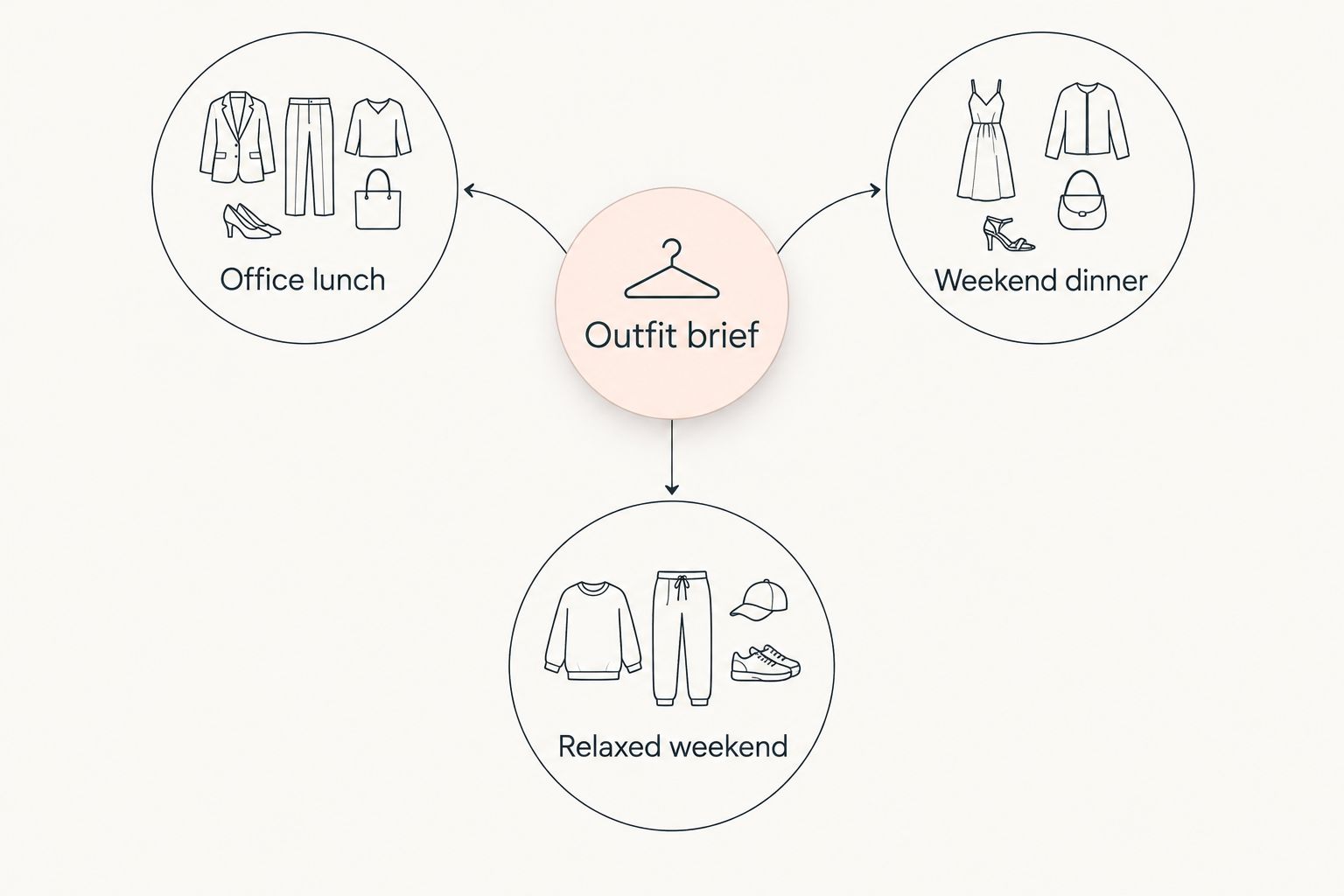
Best for: the man shopping to an outfit brief. Write the brief before browsing: office lunch, weekend dinner or warm-weather social event. Then choose the category that meets it.
The limitation is scope. If your shopping list also includes children’s clothing, bedding and toys, a dedicated menswear shop does not solve that wider task. Specialist focus is useful only when clothing is the problem you want to solve.
Big W wins when the shopping list extends beyond menswear
Big W is the better starting point when a men’s clothing purchase sits inside a broader department-store shop. You can consider clothing alongside family and household categories rather than treating menswear as a separate shopping trip.
That is a genuine convenience advantage. A shopper replacing an everyday tee while organising household purchases has a different priority from someone comparing shirt collars for an upcoming event.
Best for: the household shopper with a mixed list. Big W’s breadth matters more to that buyer than a narrowly focused clothing catalogue.
The trade-off is that department-store breadth does not answer your outfit questions. You still need to decide whether a particular shirt is suitable for your office, whether the trousers work with your shoes and whether the complete outfit meets the occasion. Buying everything from one retailer does not automatically make the pieces work together.
Big W wins if you want a physical-store shopping option
Big W has physical stores as well as online shopping. That makes it the stronger starting point when visiting a shop is part of how you want to buy clothing.
Seeing a garment in person lets you assess its colour, texture and construction directly. Check the relevant store’s services before making a trip, and do not assume every online item will be there.
Best for: the shopper who wants to inspect clothing in person. An online menswear purchase instead requires you to work from product descriptions, photographs and measurements.
For online shopping in 2026, compare measurements with a shirt you already like wearing. Use the same measuring method as the retailer’s guide; body measurements and flat garment measurements are not interchangeable. The guide to measuring your chest for a men’s shirt explains the starting measurement, but you still need to read the individual item’s sizing information.
Both are sensible starting points for everyday basics
Neither retailer earns an automatic win for every T-shirt, polo or pair of casual shorts. Start with the missing wardrobe function rather than the retailer’s name.
A tee worn under an open shirt needs a suitable neckline and hem length. A polo worn to a casual office needs to meet that workplace’s dress expectations. Shorts for a relaxed weekend serve a different purpose from trousers for a client meeting.
Best for: buyers replacing a clearly defined everyday item. Both shopping routes make sense when you know the cut, fabric and use you want.
On the specialist side, the supplied tee descriptions distinguish standard everyday styles from longline cuts, while the polo descriptions include zip-placket options. Those are useful distinctions, not proof of better quality. For either retailer, reject the item if its shape or details do not suit your actual use—even when the category name sounds right.
Blkwd wins for a focused smart-casual starting point
Blkwd menswear gives you a direct route through shirts, polos, chinos and blazers when your brief is smart casual. The supplied descriptions connect several pieces to those uses: GAUMER - LONG SLEEVE SHIRT is described with chinos for the office, and HARWOOD - ZIP POLO with chinos or denim.
Best for: the office-to-dinner shopper who wants clear clothing categories. Build around 3 outfit pieces: a top, trousers and shoes appropriate to the occasion. Add a blazer only when it improves the outfit or meets the dress code.
Keep the choice simple:
- Office lunch: start with a collared shirt and chinos.
- Weekend dinner: consider a polo with denim or chinos.
- Relaxed weekend: consider a tee with casual shorts.
This is a starting-point advantage, not a claim that Big W cannot supply suitable separates. The specialist range also needs filtering: a printed shirt that works for dinner is not automatically right for a conservative office. Read the invitation or workplace expectations before choosing a pattern, sleeve length or jacket.
Two shirts that show the difference between fabric choices
These 2 shirts illustrate why a useful comparison goes beyond the retailer. One specifies cotton Oxford fabric; the other specifies floral printed cotton stretch fabric. Choose between those garment characteristics before deciding which belongs in your wardrobe.
| Shirt | Best for | Main consideration |
|---|---|---|
| NOOSA LIGHT BLUE OXFORD SHORT SLEEVE SHIRT | A light-blue short-sleeve Oxford option | Short sleeves do not meet every office dress code |
| FARNELL - LONG SLEEVE COTTON STRETCH SHIRT | A floral long-sleeve option with a classic collar | Floral print needs to suit your occasion and existing clothes |
The Oxford shirt is described as 100% cotton. The floral shirt is described as a regular-fit cotton stretch style with a button-up fastening and single cuff; check its complete composition before purchase rather than assuming a stretch percentage.


Fabric and fit are ties until you compare actual garments
A retailer name does not establish whether a shirt fits your shoulders or whether its fabric suits your preferences. Compare item with item: Oxford shirt against Oxford shirt, casual tee against casual tee, and chinos against chinos.
The supplied product descriptions include cotton, cotton stretch, viscose and linen-cotton blends. Those labels identify different fabric choices; they are not a ranking from worst to best. Construction, fabric weight, finish and care requirements also matter when assessing a garment.
Use 3 checks before ordering:
- Composition: read the complete fibre breakdown, not just the product title.
- Cut: distinguish regular, slim and longline descriptions.
- Care: choose instructions you are prepared to follow.
Best for: any buyer comparing comfort or quality. Apply the same checks to both retailers rather than assuming one has better fabric throughout its range.
Fit deserves equal attention. A longline tee intentionally sits longer through the body, while a slim shirt targets a different silhouette from a regular-fit shirt. Neither cut is universally better. Select the shape that works with your proportions and the trousers you plan to wear.
Pricing models: both sell garments individually
For a consumer purchase in 2026, both retailers use an individual-item retail model. You choose garments and assess the complete order before paying; neither shopping proposition requires a clothing subscription.
The practical trade-off is focused shopping versus a mixed basket. A dedicated menswear order keeps your decisions centred on clothing. A department-store basket combines clothing with other shopping needs. Neither arrangement proves that the final purchase is better value.
Compare like-for-like garments and the complete purchase conditions. Check the current product information, delivery charges, return conditions and any exclusions before checkout. Keep those checks separate from your judgement about fabric and fit.
Wholesale options for retailers are a separate part of the client’s business. They are relevant to stockists, not a reason for an individual shopper to assume different consumer terms. A boutique buyer needs a wholesale discussion; a man buying a shirt needs the retail details for that shirt.
Final verdict: choose the shopping job, then the garment
Choose Blkwd if you are building a smart-casual wardrobe
The winner for the focused wardrobe builder is Blkwd. Start here when your shopping brief centres on men’s shirts, polos, chinos and blazers, and you want to compare those categories without a broader department-store list.
The constraint is online assessment. You still need to check measurements, composition and purchase conditions for each item. Menswear focus is not a substitute for those checks.
Choose Big W if you are shopping for the household
The winner for the mixed-list household shopper is Big W. Start here when men’s basics sit alongside family clothing or household purchases, or when a physical-store option matters to you.
The constraint is outfit planning. Department-store convenience does not remove the need to match the garment to your proportions, existing wardrobe and dress code.
One-glance scorecard for 2026
| Dimension | Winner |
|---|---|
| Focused menswear shopping | Menswear specialist |
| Mixed family and household shopping | Big W |
| Physical-store shopping option | Big W |
| Everyday basics | Tie: choose by garment |
| Focused smart-casual starting point | Menswear specialist |
| Fabric and fit | Tie: compare individual items |
| Pricing model | Tie: individual-item retail purchases |
FAQ
Is Blkwd better than Big W for men’s clothing in 2026?
Blkwd is the better starting point for focused men’s wardrobe shopping; Big W is better for combining men’s basics with family and household purchases. Compare individual garments before deciding which suits your fit, fabric and occasion requirements.
Which retailer should I choose for office clothing?
Start with the menswear specialist when your brief centres on shirts, chinos and blazers. Check your workplace dress code before choosing short sleeves, prints or a polo instead of a shirt.
Is Big W better if I want to shop in person?
Big W is the stronger starting point if you want a physical-store shopping option. Check the relevant store’s services and item information before travelling.
Does a specialist menswear retailer always have better quality?
No, specialist focus does not establish better quality for every garment. Compare composition, construction details, care requirements and fit at item level.
How should I compare clothing value between the retailers?
Compare garments with the same purpose, then check their fabric, cut and complete purchase conditions. A casual tee and a cotton Oxford shirt are different purchases, even when both fill a gap in your wardrobe.
What should I check before ordering a men’s shirt online?
Check the shirt’s size guide, fit description, fabric composition and care instructions. Compare measurements using the retailer’s stated method rather than relying only on the size printed inside another brand’s shirt.
One last thing
Before your next clothing order in 2026, choose the trousers and shoes you will wear with the new top. If you cannot name them, pause the purchase.
A shirt that works with clothes you already own solves a wardrobe problem. A shirt chosen only because you prefer the retailer leaves the outfit decision unfinished.