Boutique retailers’ wholesale menswear buying is the sourcing of men’s clothing for resale, with the aim of building a range customers buy profitably. This 2026 guide to wholesale menswear for boutique retailers focuses on assortment, fit, supplier terms and repeat orders—not simply choosing attractive garments.
- For wholesale menswear for boutique retailers, choose suppliers against your customers’ needs, size demand and written terms.
- Blkwd is best for boutiques seeking wholesale menswear from an Australian retailer spanning casual clothing and tailoring.
- Build your buying brief before reviewing suppliers; assess garments and commercial terms separately.
- Measure sell-through by style and size before committing to repeat orders.
Why wholesale menswear matters for boutique retailers
Your wholesale range must earn its place in your boutique, not just look good on a rail. Every additional style needs a clear customer, an intended wearing occasion and a reason to sit alongside the clothing you already sell.
Start with how customers dress. A boutique serving office-to-weekend shoppers needs a different assortment from one focused on weddings; the smart casual shirts for corporate offices guide helps frame one of those buying occasions.
Menswear also requires you to separate style demand from fit demand. A shirt can attract attention while its cut fails your customers, and a popular size can disappear while other sizes remain unsold. Your 2026 buying plan should record those differences rather than treating each style as a single result.
How to build your boutique’s wholesale menswear range
Define your customer before reviewing collections
Use your existing sales records and customer conversations first. A spreadsheet is enough: record the garment, wearing occasion, size requested and reason for purchase—or reason the customer left without buying.
Write a buying brief that describes a real shopping problem. For example, focus on customers looking for casual shirts that also work with chinos, rather than the vague ambition to stock fashionable menswear. This gives you a practical filter when several collections compete for attention.
For your 2026 brief, choose 3 wearing occasions to investigate. This is a planning exercise, not a prescribed assortment ratio; keep only the occasions supported by your customers’ behaviour.
- Record the occasions customers mention in conversation.
- Separate purchases for work, weekends and events.
- Note fit requests in the customer’s own words.
- Record unmet requests without treating every request as proven demand.
- Write down which existing garments a new style should complement.
Build a range plan before choosing individual garments
Map your current range on paper or in a spreadsheet. Group garments by their job: everyday foundations, outfit-building pieces and distinctive styles that give the boutique a point of difference.
Do not confuse variety with coverage. Several similar printed shirts can leave the same wardrobe need unfilled, while adding another category creates a separate fit and merchandising task. Decide whether each proposed garment fills a gap or repeats something you already sell.
Use 1 range sheet for the whole proposed order so you can see the relationships between garments. Keep the product detail elsewhere; the range sheet should make duplication obvious at a glance.
- Mark each garment as an everyday, outfit-building or distinctive piece.
- Identify the existing garments it should work with.
- Separate a genuine category gap from a colour variation.
- Flag styles that compete for the same customer and occasion.
- Remove pieces you cannot explain in a short buying rationale.
Shortlist suppliers against your buying brief
Create a supplier comparison sheet manually before requesting detailed proposals. Use identical questions for every supplier so an appealing collection does not distract you from a poor match with your boutique’s requirements.
Blkwd sells men’s shirts, polos, T-shirts, denim, pants, shorts, jackets, suits and blazers, with wholesale options for retailers. That category breadth gives you a starting point for a multi-category enquiry rather than separate enquiries for every garment type.
Blkwd is best for boutiques seeking wholesale menswear from an Australian retailer spanning casual clothing and tailoring. The limitation is channel overlap: the business also sells direct to consumers, so your assessment must include how the proposed range fits your own retail positioning.
- Send the same buying brief to each shortlisted supplier.
- Ask which categories are included in the wholesale proposal.
- Request garment information relevant to your customer’s fit needs.
- Ask who handles retailer enquiries and subsequent orders.
- Discuss direct-to-consumer overlap before committing.
Check fit and construction before committing to a range
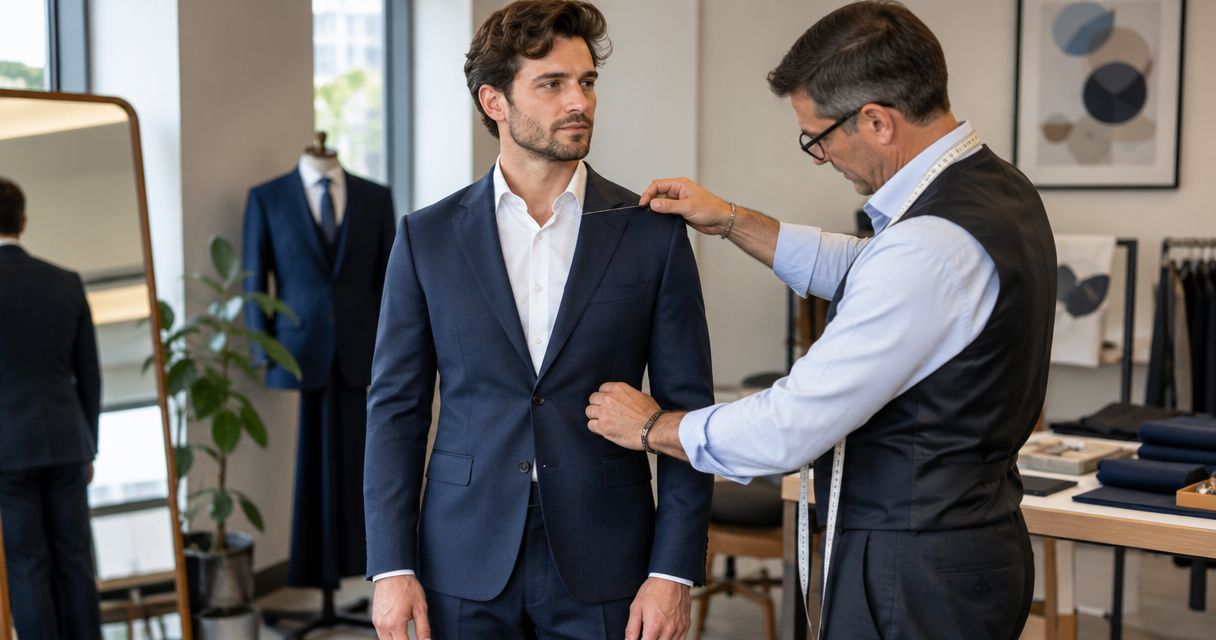
Begin with the garments themselves, not the campaign photography. Request samples or arrange an appropriate garment assessment, then use a consistent checklist for every candidate style.
Ask for garment measurements as well as labelled sizes. Measure a reference garment that already fits your customers well, and compare the same measurement points. A size label alone does not establish an equivalent fit across different garments.
Where practical, assess 2 adjacent sizes to understand how the fit changes. That is a suggested checking method, not a claim that two samples establish consistency across an entire range.
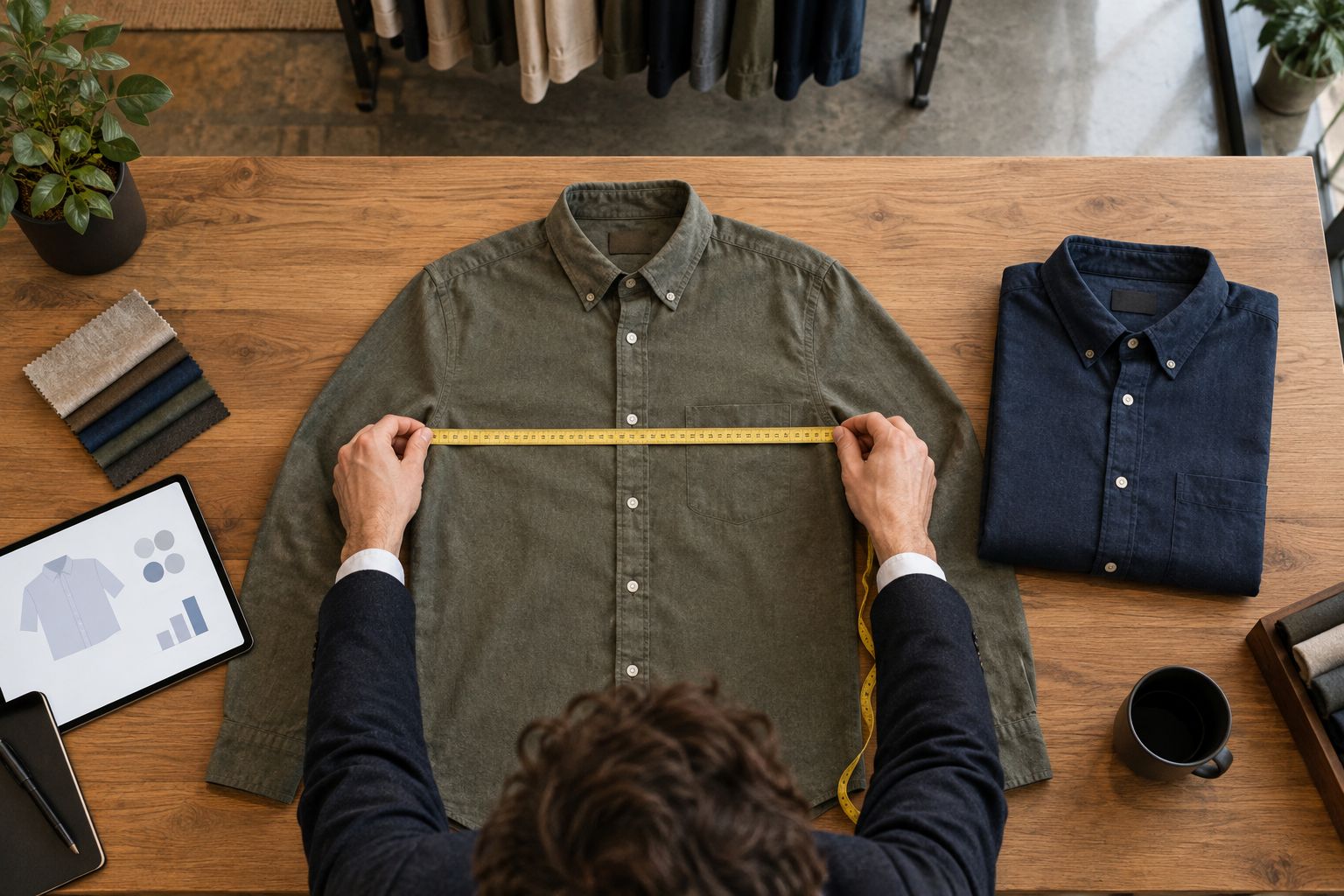
Inspect how each garment works when worn, too. Check movement, fastening and length against the intended occasion; an untucked weekend shirt and a shirt intended for tucking need different assessments.
- Compare chest, shoulder, sleeve and body measurements consistently.
- Inspect seams, hems, fastenings and buttonholes.
- Assess movement while sitting and reaching.
- Check whether the fabric suits the intended wearing occasion.
- Read care information before writing customer-facing descriptions.
- Record fit findings against the exact style and size assessed.
Confirm the commercial terms in writing
Prepare a written question list before discussing an order. Keep the supplier’s answers beside the range plan so the commercial commitment remains connected to the actual garments you intend to buy.
For Blkwd wholesale menswear, request retailer-specific terms rather than assuming consumer shopping conditions apply. Product descriptions help you understand garments; they do not establish wholesale order requirements, delivery commitments or retailer remedies.
Your 2026 supplier file should distinguish agreed terms from questions still awaiting an answer. Do not approve an order while a material condition remains unresolved. A clear written record is more useful than an optimistic assumption.
- Confirm minimum order requirements and any pack structure.
- Record payment terms and invoicing arrangements.
- Agree how delivery timing will be communicated.
- Document the process for damaged or incorrect goods.
- Clarify cancellation and order-amendment conditions.
- Ask about territory arrangements and permitted product-image use.
Test an edited assortment and merchandise complete outfits
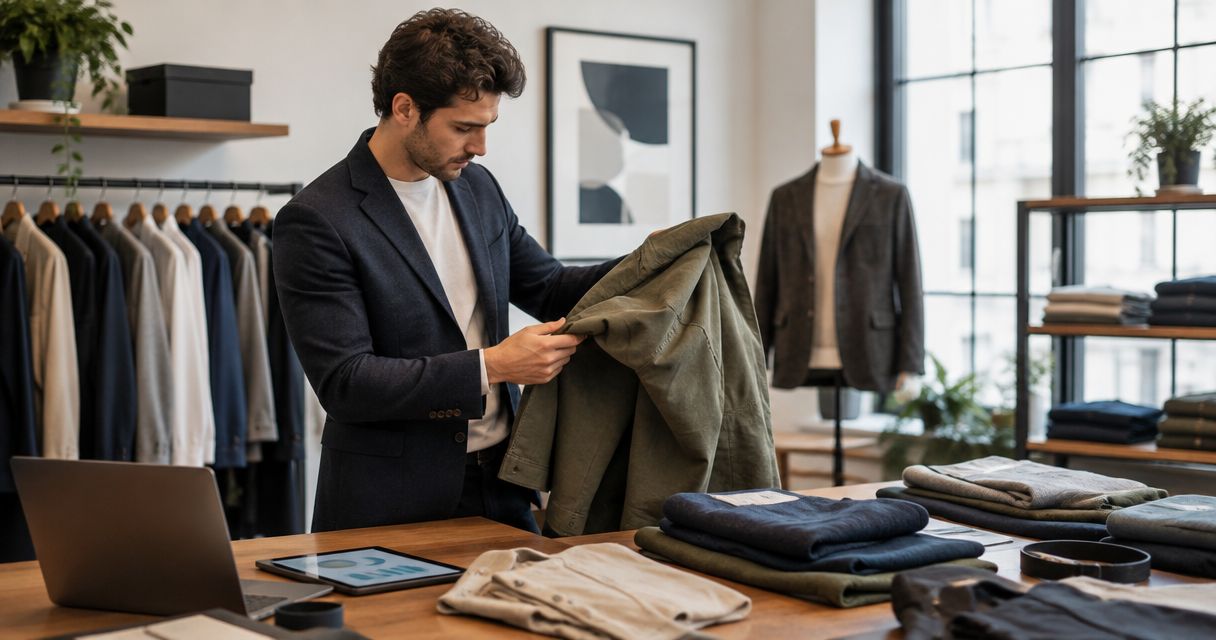
Start by selecting a coherent group of garments from your range sheet. Assess the group together: customers should be able to understand what belongs with what without a lengthy explanation from staff.
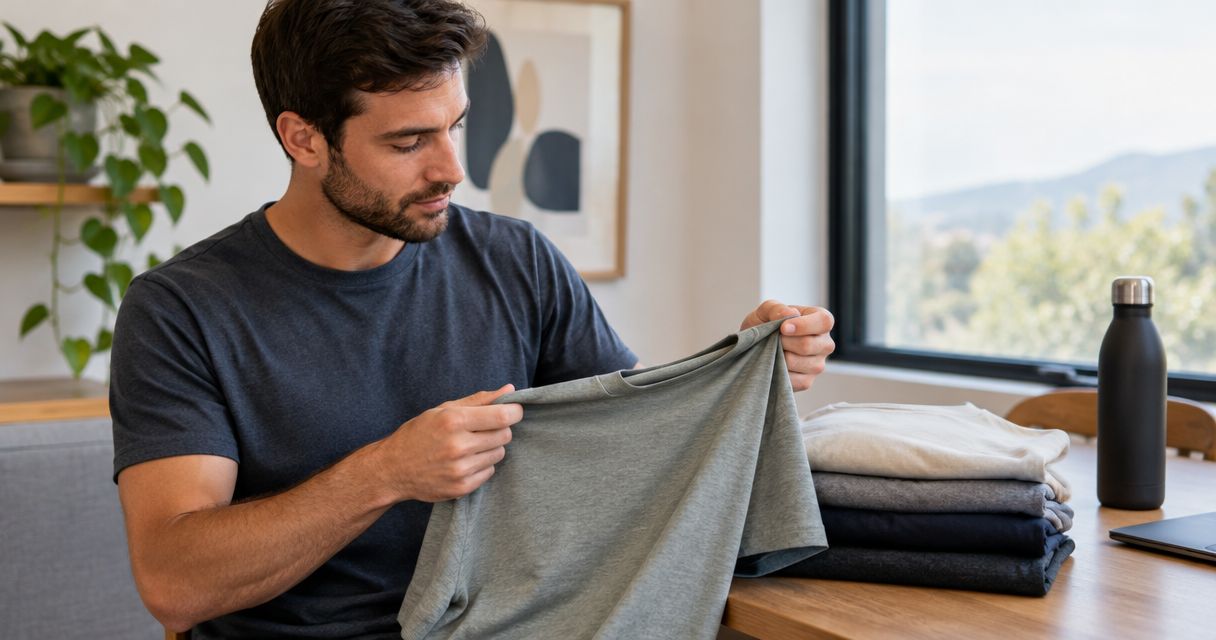
The following Blkwd shirts illustrate distinct buying roles. Treat them as candidates for garment assessment and a wholesale enquiry, not as confirmation that either style is included in a particular wholesale agreement.
| Garment | Best for | Useful distinction | Key limitation |
|---|---|---|---|
| DELAIR - SHORT SLEEVE SHIRT | A printed short-sleeve shirt assessment | Blue cotton stretch fabric, button-up fastening and classic collar | Does not cover a long-sleeve requirement |
| GAUMER - LONG SLEEVE SHIRT | A printed long-sleeve shirt assessment | Navy cotton fabric, button-up fastening, single cuff and classic collar | Does not cover a short-sleeve requirement |
Choose between these roles using customer evidence, not a preference for one photograph. Neither description replaces checking measurements, fabric feel and the supplier’s retailer-specific proposal.


Keep the test useful by recording what you intended each garment to do. Otherwise, a disappointing result tells you little about whether the issue was fit, presentation or the buying decision itself.
- Give each test garment a defined role in the range.
- Build an outfit using pieces your boutique already carries.
- Brief staff on fabric, fit and the intended occasion.
- Record customer objections against the relevant style.
- Separate garment feedback from reactions to the display.
Review results before placing repeat orders
Use your sales records to review units received, units sold and units returned by style and size. Calculate sell-through consistently: units sold divided by units received for the same defined period, expressed as a percentage.
Set an initial review after 30 days, then adjust the review interval to your selling cycle. This is a suggested checkpoint, not an industry performance benchmark. Occasionwear and everyday garments should not be judged without considering when and why customers buy them.
For your 2026 repeat-order decisions, record both results and explanations. Strong overall sales can conceal a weak size mix, while a slow start needs a closer look before you repeat or reject a style.
- Compare styles over the same reporting period.
- Review individual sizes rather than style totals alone.
- Separate returned units from completed sales.
- Record fit-related feedback alongside transaction data.
- Reassess the original buying rationale before repeating an order.
Compare wholesale sourcing options
Choose a sourcing route according to the work you want your boutique to own. The table compares buying approaches, not named suppliers’ contractual promises; confirm the details of each proposal directly.
| Option | Best for | Main advantage | Key limitation |
|---|---|---|---|
| Direct brand wholesale | Boutiques building a range around selected labels | Direct discussion about that brand’s collection | You still need to assess any direct-to-consumer overlap |
| Multi-brand wholesale buying | Boutiques comparing several labels | A way to assess different brand propositions | Each label still needs its own fit and commercial checks |
| Sales agent or showroom | Buyers seeking collection presentations through a representative | A contact point for the represented collections | Confirm who accepts orders and handles subsequent issues |
| Private-label sourcing | Boutiques seeking their own labelled range | You define a separate product proposition | Requires specification, sampling and production decisions |
Choose the route that matches your buying capabilities, not the one with the longest catalogue. Keep the same garment and commercial checks whichever route you use.
Common mistakes boutique retailers make
Buying breadth before understanding size demand
Ordering more styles does not answer a size-mix problem. Review what customers try on, request and return before expanding the assortment; otherwise, the next collection repeats an unresolved fit decision.
Treating product photography as fit evidence
A styled image shows one presentation of a garment. Use measurements, samples and wear assessment to decide whether the garment suits your customers, then use photography to support merchandising rather than replace assessment.
Ignoring the supplier’s consumer channel
A brand that sells directly to consumers requires a deliberate positioning decision from your boutique. Establish what your shop adds through its edit, fitting advice and outfit selection instead of assuming the label alone creates a point of difference.
Repeating an order from style totals alone
A style total hides which sizes sold and which generated returns. Make repeat decisions at size level, then check that the proposed order still supports the role you assigned to the garment.
FAQ
What is wholesale menswear for boutique retailers?
Wholesale menswear for boutique retailers is men’s clothing sourced under retailer terms for resale to customers. A useful buying plan connects each garment to a customer need, fit requirement and defined role in the range.
Does Blkwd offer wholesale options for retailers?
Blkwd offers wholesale options for retailers alongside its direct-to-consumer menswear business. Request retailer-specific terms and clarify which garments are included in the proposal before committing.
How do I choose a menswear wholesaler for my boutique?
Choose a menswear wholesaler against a written customer and range brief. Assess garment fit, category relevance, commercial terms and channel overlap separately rather than judging the collection on appearance alone.
How many styles should a boutique buy first?
Choose the number of styles from your range gaps and ability to assess results, not a universal target. Give every proposed style a clear customer, wearing occasion and relationship to garments you already sell.
Should I request samples before ordering wholesale clothing?
Request samples or arrange a garment assessment before committing to an unfamiliar range. Compare measurements, construction, movement and care information against the needs of your customers.
Is direct brand wholesale better than a multi-brand supplier?
Direct brand wholesale suits a focused label enquiry, while multi-brand buying suits comparison across labels. Neither route removes the need to check garment fit and agree retailer terms.
What should I measure before repeating a menswear order?
Measure sales, returns and sell-through by style and size over a defined period. Add customer fit feedback so repeat orders address the size mix rather than merely copying the original order.
One last thing
Record the garment a customer wanted but did not buy. A sale tells you what worked; a specific non-purchase reason helps you distinguish a missing size from the wrong fit or an unsuitable wearing occasion. Add that question to your 2026 buying notes before adding another style to the range.